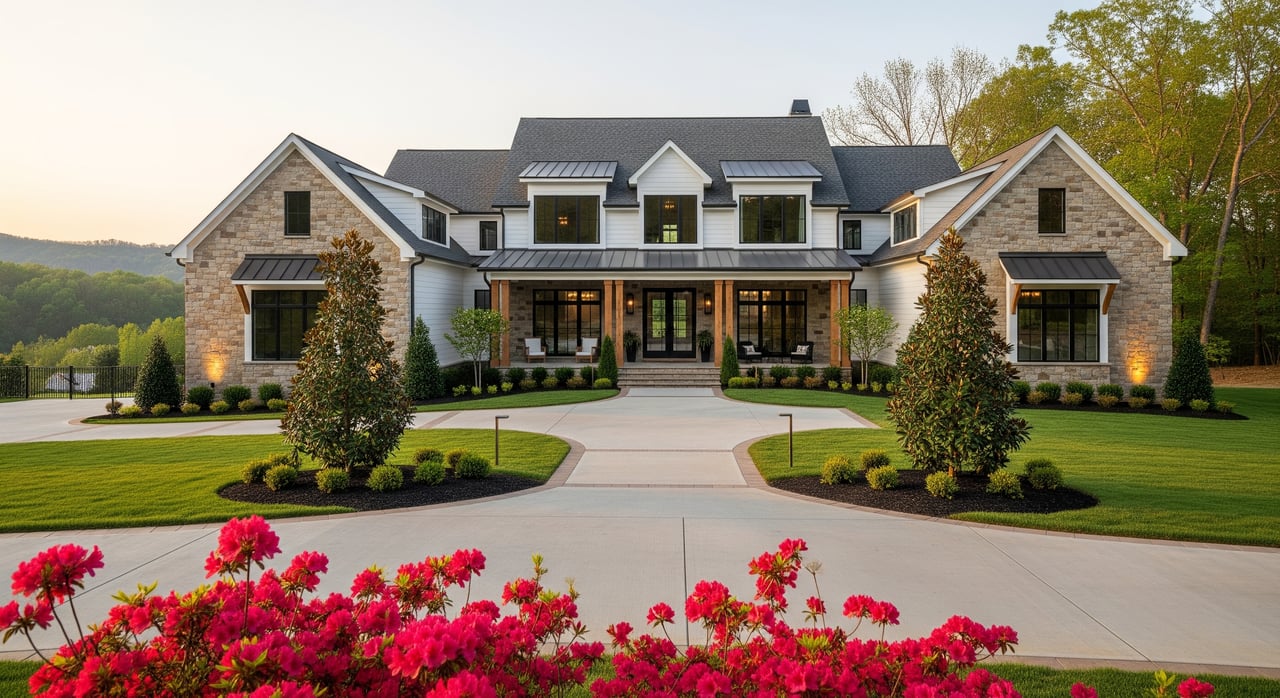
Shopping for a new home in Ooltewah and trying to decide which new neighborhoods deserve a tour? You are not alone. With multiple builders, fast-changing inventory, and a mix of amenities, it can be hard to compare options with confidence. In this guide, you will learn how to identify the top new construction communities, what to look for during model visits, key timelines and costs, and how to protect your budget. Let’s dive in.
Why Ooltewah new construction
Ooltewah sits in Hamilton County as part of the greater Chattanooga area, and it attracts buyers who want newer homes, larger lots, and suburban neighborhood amenities while staying within reach of employment centers and regional conveniences. Many communities offer a mix of single-family homes and townhomes, with floor plans that support today’s lifestyles. You will also find HOA-maintained spaces, sidewalks and trails, and designs that emphasize energy efficiency and low-maintenance living.
New construction in Ooltewah typically appeals to buyers who value a predictable warranty, modern systems, and less near-term maintenance. If you need commuting access, proximity to major roads and services is a key factor to consider as you compare communities.
How we choose communities
We use objective, data-informed criteria so you can compare neighborhoods apples to apples. Our selections and notes are based on current MLS activity, builder releases, county records, and on-the-ground observations. Prices and inventories change quickly, so use this as a starting point and confirm details with the sales office on the day you tour. Data current as of December 2025.
Key criteria we evaluate:
- Location and access: proximity to major roads, shopping, parks, and medical facilities, plus typical drive times to Chattanooga employment centers.
- Price range and product mix: square footage, bedroom counts, lot sizes, and whether single-family, paired homes, or townhomes are offered.
- Builder reputation: local experience, permit history, complaint trends, and warranty administration practices.
- Amenities and design: pools, trails, playgrounds, pocket parks, sidewalks, and the overall community plan.
- Schools and zones: assigned attendance zones through Hamilton County Schools, with neutral, factual consideration for your needs.
- Infrastructure and phases: what is complete today and what future phases may add in traffic, construction, or amenities.
- Resale potential: recent new and recently built comparable sales in the subdivision and nearby areas.
- HOA covenants and fees: what they cover, fee levels, and architectural guidelines that affect exterior changes.
- Energy efficiency: insulation standards, HVAC efficiency, and any third-party certifications or EV readiness.
- Site conditions: topography, drainage, and any floodplain mapping that could affect certain lots.
New construction basics
Not all new construction is the same, and understanding the differences helps you set a smart timeline and budget.
- Pre-sale or build-to-order: you select a lot and plan, then choose structural options and finishes. Typical build times start around 6 to 10 months depending on scope and weather. Expect longer timelines with more customization.
- Spec or inventory homes: the builder has already started or completed the home with chosen finishes. These can close in weeks to a few months and may include incentives to move standing inventory.
- Semi-custom or custom: more design control and variation, often on larger lots. Timelines vary and can exceed 10 months due to design, permitting, and material lead times.
Most builders offer a limited workmanship warranty, system coverage for items like HVAC and plumbing, and a longer structural warranty. Confirm what is covered, how to submit claims, and average response times before you sign.
Shortlist snapshot: Ooltewah options
Because pricing and availability shift weekly, think of this as a map for what you are likely to find when you start touring. Use the notes to match neighborhoods to your goals, then confirm current releases and incentives with the sales team on site.
Master-planned neighborhood with amenities
Expect single-family homes with 3 to 5 bedrooms, sidewalks, and shared green space. Pools, playgrounds, and trails are common in this category. These communities suit buyers who want social amenities and a cohesive streetscape. A typical caveat is that HOA design guidelines may limit exterior changes, so review CC&Rs before you commit.
Townhome cluster near conveniences
Townhomes can offer lower entry pricing, low-maintenance exteriors, and efficient layouts near shopping and major roads. These work well if you want new systems and a shorter commute with reduced upkeep. Watch for HOA rules on rentals, parking, and exterior modifications so the lifestyle fits your needs.
Larger-lot enclave with semi-custom options
If you want a bit more elbow room, look for neighborhoods with wider lots and semi-custom choices for kitchen, bath, and outdoor spaces. Build times can be longer due to design selections and site work. Verify any lot premiums, utility connections, and grading costs so your total budget is accurate.
Luxury estate pocket with refined finishes
Higher-end enclaves focus on premium materials, volume ceilings, and enhanced outdoor living. These areas often attract move-up buyers seeking privacy and a strong resale story. Clarify timelines for custom features, builder warranty tiers, and any limits on accessory structures or pools before signing.
Buyer touring checklist
Use this field-ready checklist to make fast, confident comparisons from one community to the next.
- Confirm what is included: flooring, appliance brands, exterior materials, landscaping, and window coverings. Ask what is standard versus an upgrade.
- Price the lot: lot premiums, corner or cul-de-sac charges, and any site prep allowances for rock, retaining walls, or drainage.
- Ask about incentives: closing-cost credits, rate buydowns, and appliance or fence packages. Incentives change with inventory.
- Review the HOA: monthly and initiation fees, what they cover, and rules for parking, rentals, and exterior changes.
- Check build status: estimated completion date, weather allowances, and what happens if materials are delayed.
- Plan inspections: request third-party inspections at pre-pour, framing or pre-drywall, and final stages. Get the builder’s inspection guidelines in writing.
- Verify schools and services: confirm assigned schools, and note distance to parks, medical, and daily conveniences.
- Evaluate the site: slope, drainage, sun exposure, and any floodplain mapping. Walk the lot after heavy rain if possible.
- Protect financing: if using a preferred lender for incentives, compare rate, points, and fees to an outside quote. Make sure the appraisal supports contract price.
Timelines and incentives
Spec homes can close in a few weeks to a few months. Pre-sale builds often take about 6 to 10 months and can take longer with custom elements or weather. Always include a written completion window in your contract, plus clear remedies for delays.
Builder incentives shift with supply and season. You may see closing-cost help, interest rate buydowns, or appliance packages when inventory is higher. Incentives can be tied to using a preferred lender, so evaluate the total cost of funds, not just the headline credit.
Hidden costs to expect
New construction pricing can look simple until you add the line items that live outside the base price. Plan ahead for the following so you are not surprised later.
- Lot premiums and site work: tree clearing, rock removal, retaining walls, and drainage can add cost.
- Final touches: upgraded landscaping, blinds, refrigerator, washer and dryer, and mailbox fees if not included.
- HOA and setup fees: HOA initiation charges and monthly dues, plus any one-time capital contributions.
- Utility connections: tap fees or meter fees for water, sewer, gas, and electric if applicable.
- Taxes: property taxes can increase after reassessment once the home is complete, so budget for the post-completion amount.
Resale and seller tips
If you are selling a nearby home while new construction is active, today’s builder offerings will influence buyer expectations. Fresh floor plans, flexible spaces, and energy-efficient systems can shift attention to new builds. To compete, focus on condition, market-right pricing, and targeted updates that mirror what buyers value in new homes, such as kitchen function and primary suite finishes.
When pricing, include recent closings from similar new homes and recently built resales in your analysis. Plan marketing that calls out advantages your home offers compared to nearby new construction, like established landscaping, window treatments, or custom outdoor living.
How we can help
Buying or selling around new construction demands current data and hands-on coordination. Our team monitors MLS activity, builder releases, county records, and neighborhood phases so you have accurate, timely guidance. We help you compare floor plans and HOAs, negotiate upgrades and incentives, coordinate inspections at each milestone, and line up trusted vendors so you can move with confidence.
If you want a live shortlist of top Ooltewah communities that match your budget, timeline, and wish list, we are ready to help. Talk to the Lawrence Team Homes to get started.
FAQs
How long does it take to build a new home in Ooltewah?
- Spec homes can close in weeks to a few months, while pre-sale builds often take about 6 to 10 months depending on customization and weather.
Should I get independent inspections on a new Ooltewah home?
- Yes, schedule third-party inspections at key stages like pre-pour, framing or pre-drywall, and final; confirm builder rules on inspector access in writing.
Are builder incentives negotiable in Ooltewah new communities?
- Incentives vary by inventory and season, and may include closing-cost credits or rate buydowns; always verify current offers and compare lender terms.
What hidden costs should I budget for with a new build in Ooltewah?
- Plan for lot premiums, site prep, landscaping, HOA initiation fees, utility tap or meter fees, and higher property taxes after reassessment.
How do new-construction communities affect resale home prices nearby?
- New builds set a convenience and features baseline, so nearby sellers often compete on condition, value, and updates that mirror what buyers want in new homes.