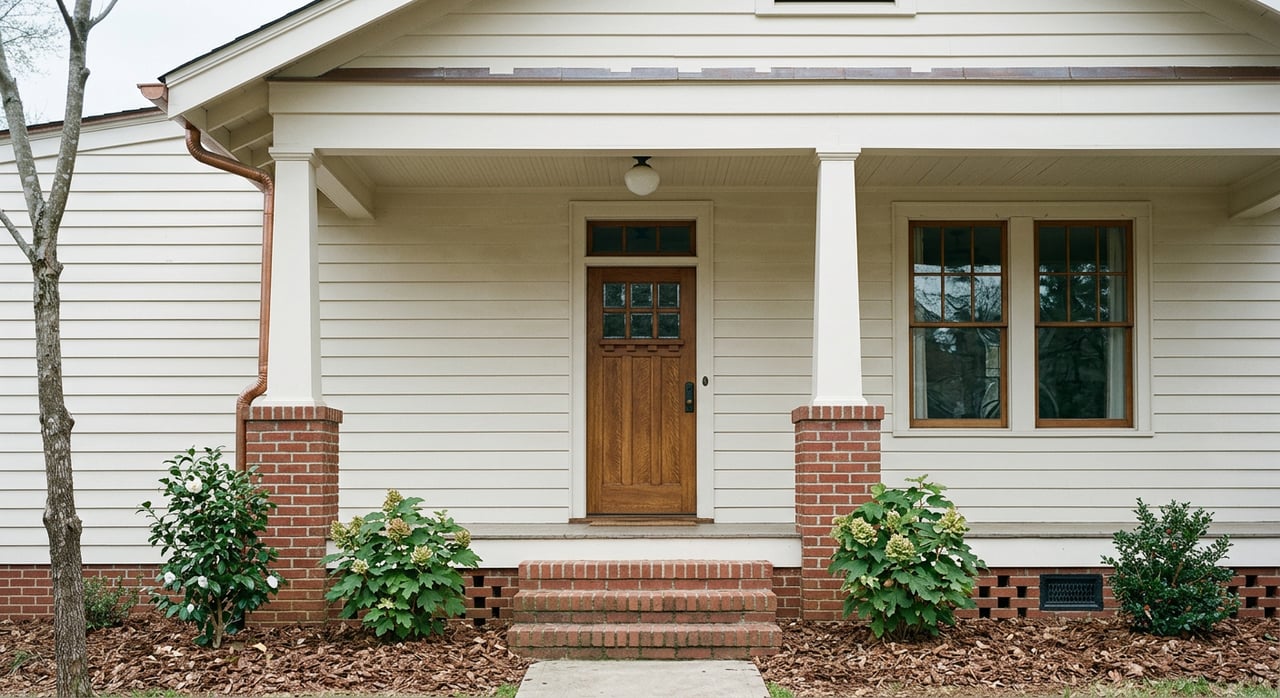
Dreaming of a classic St. Elmo porch and original woodwork in 37409? You’re not alone. Historic homes here offer charm and a true sense of place, but they also come with rules, inspections, and budgeting details you want to understand before you buy. In this guide, you’ll learn how St. Elmo’s historic status affects renovations, which inspections to prioritize, realistic cost ranges, and a step-by-step plan to move forward with confidence. Let’s dive in.
St. Elmo is a protected district
St. Elmo is listed on the National Register of Historic Places, which documents its architecture and period of significance. You can explore the official nomination to understand what is considered historic character in the neighborhood through the National Park Service’s record for the St. Elmo Historic District. The listing recognizes the area’s heritage and helps you spot original features worth preserving.
At the local level, exterior changes are reviewed by the City’s Historic Zoning team. The Chattanooga Historic Zoning Commission (CHZC) manages design review and typically requires a Certificate of Appropriateness, or COA, before you apply for a building permit for most exterior changes. Start on the City’s Historic Planning & Zoning page to confirm if your address is inside the local district and to review application steps.
How to check maps and rules
The City publishes district maps and design guidance for St. Elmo. The St. Elmo Design Guidelines explain how to approach work on porches, siding, windows, additions, and more. If you are planning exterior changes, review these early so you can select materials and details that meet the standards and avoid rework.
- Explore the NPS record for the district to learn the neighborhood’s architectural story and era.
- Visit the City’s Historic Planning & Zoning page for maps, COA forms, and meeting calendars.
- Read the St. Elmo Design Guidelines for project-specific direction before hiring a contractor.
What homes look like here
Age and styles to expect
Most St. Elmo houses date from the late 19th and early 20th centuries. You will see Victorian-era homes, Craftsman bungalows, and related vernacular styles. The National Register documentation is helpful when you want to understand which elements are original and which were added later.
Character features buyers love
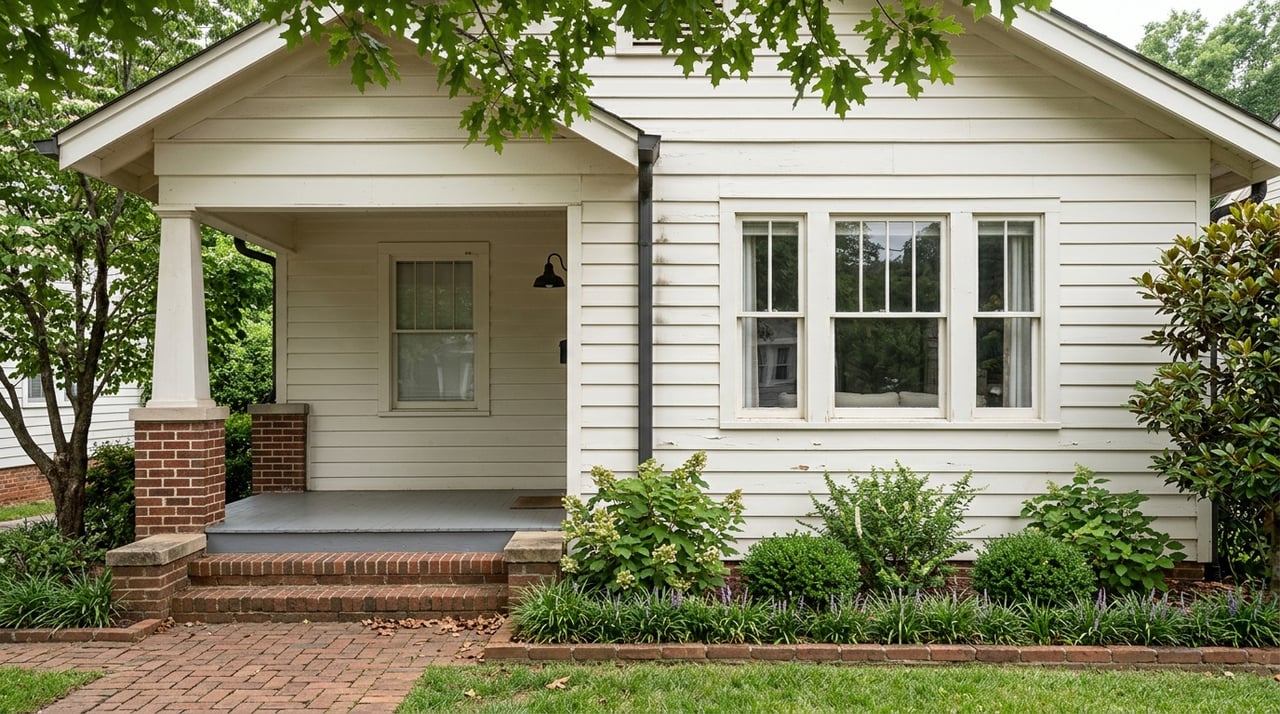
You will likely find deep front porches, original wood siding and trim, and distinctive window proportions. Decorative woodwork is common, and some homes have early masonry or wood foundations. These features shape both your maintenance plan and how you approach any updates so the character stays intact.
Inspections to prioritize in 37409
Older homes vary a lot. The best way to protect your budget is to pair a standard home inspection with targeted specialty inspections that catch the big-ticket items early.
Structure and roof
At the base of the mountain, some lots slope and use historic retaining features. Check grading and drainage so water flows away from the foundation. Look for signs of settlement, cracked masonry, or bowed walls, and hire a structural or foundation specialist if your inspector flags concerns. Roofs on turn-of-the-century homes often need replacement or updated flashing, and chimneys may need repairs.
Electrical, HVAC, and plumbing
Many older homes still have obsolete wiring, such as knob-and-tube or cloth-insulated runs. A licensed electrician should evaluate capacity, safety, and insurance readiness. The Electrical Safety Foundation explains why early systems deserve careful assessment and documentation. Plan for HVAC systems near end of life. For plumbing, order a sewer-camera inspection. A standard home inspection rarely scopes the lateral line to the street, and sewer-line issues can be a multi-thousand-dollar surprise. A sewer-scope is a low-cost step that often saves buyers from big headaches.
Pests and moisture
Wood-destroying insects are a known risk in Tennessee. Add a WDI inspection to your contingency, especially on wood-frame homes near vegetation. Lenders on some programs may ask for this report. Also watch for damp basements or crawlspaces, which can drive mold, rot, and pest activity. If moisture is present, consider a crawlspace specialist and a ventilation or drainage plan.
Lead-based paint and asbestos
If the home was built before 1978, federal law requires sellers to provide lead disclosure materials, and you have the right to test during the contract period. If you plan to disturb painted surfaces during renovation, contractors must generally follow the EPA’s Renovation, Repair and Painting rules using certified firms or renovators. Some older materials, such as floor tile mastic or pipe insulation, may contain asbestos. If you will disturb them, budget for testing and, if needed, licensed abatement.
Budget with eyes open
Older homes often reveal hidden work once you open walls or start repairs. A simple rule is to hold a higher contingency than you would for newer construction. Many buyers set aside 10 to 20 percent for near-term repairs and renovation surprises, then adjust after getting bids.
Here are common cost ranges using national guides. Actual Chattanooga pricing will vary by size, access, and materials.
- Roof replacement, asphalt shingle: about $6,000 to $18,000 depending on size, pitch, and materials. Check decking condition since rot or sheathing repairs increase cost.
- Whole-house electrical upgrades: commonly $3,000 to $15,000 or more, depending on scope and access. Removing knob-and-tube and adding new circuits drives cost.
- HVAC replacement: roughly $5,000 to $15,000 or more depending on system type and whether ducts are replaced.
- Sewer lateral replacement: often $5,000 to $20,000 or more based on length, access, and trenchless options. A low-cost sewer scope helps you avoid surprise expenses.
- WDI repairs and treatment: inspections cost a few hundred dollars, while repairs for active termite damage can run into the thousands. Address structural needs before cosmetic work.
- Lead or asbestos: testing is relatively low cost. Abatement or lead-safe work can add thousands, depending on scope and whether clearance testing is required.
For estimates and planning, consult these resources:
- Review national roof replacement costs to understand scale and drivers.
- See HVAC replacement cost factors to set expectations before bidding.
- Read why a sewer scope is a smart add-on for older homes and what it covers.
Permits and design review steps
If you plan exterior work, the order of approvals matters. Align your design review with building permits to avoid delays.
- Confirm if the address is inside the local district and download the St. Elmo Design Guidelines. If your plans include porches, windows, siding, dormers, additions, or other exterior changes visible from the street, expect to apply for a COA through the CHZC before a building permit.
- Schedule a full buyer’s home inspection. Add specialty inspections as needed: licensed electrician, sewer scope, WDI, HVAC, chimney, and lead or asbestos testing if the home predates 1978 or you plan significant renovations. Written estimates from specialists help with negotiations.
- If the general inspection flags foundation or structural concerns, bring in a structural engineer. A written report can guide scope and satisfy lender requirements.
- If you intend exterior changes, compile photos and materials and consult CHZC staff early. Prepare the COA application and coordinate with the building permit so approvals align.
Your 0–90 day plan after contract
Use this quick-start checklist to stay organized during your due diligence window.
- Days 0–7: Confirm local historic district status for the property and scan the St. Elmo Design Guidelines for any project you are considering.
- Days 7–14: Order the general inspection and add-ons: electrician evaluation, sewer scope, WDI, HVAC specialist, chimney, and lead or asbestos testing if applicable.
- Days 14–21: Request seller records for any past COAs, permits, roof or HVAC replacements, electrical or foundation work. These documents reduce unknowns and can speed reviews.
- Days 21–45: Get 2 to 3 bids for foreseeable major work. Use vendors experienced with older or historic homes when you want to retain original features.
- By Day 45: If you will do exterior work, prepare COA materials and confirm the permit sequence. Check with your lender and insurer on any conditions related to wiring, structure, or WDI.
A quick note on incentives
The federal historic rehabilitation tax credit generally applies to income-producing historic buildings and not to owner-occupied single-family homes. If you are exploring incentives or grants, contact the Tennessee Historical Commission or state programs to confirm current options. Treat any tax credit as a bonus, not a primary funding source, until you have written confirmation.
Local resources
- Learn St. Elmo’s architectural history and significance through the National Park Service record for the district.
- Use the City of Chattanooga Historic Planning & Zoning page for maps, COA guidance, and meeting calendars.
- Read the St. Elmo Design Guidelines before you plan exterior work.
- Review electrical safety basics for older systems with the Electrical Safety Foundation.
- Understand sewer-scope benefits and typical inspection details before you waive contingencies.
- See HVAC replacement cost factors to plan your budget.
Ready to find your St. Elmo home?
Buying a historic home in 37409 can be smooth when you understand the rules, inspect smart, and budget for the right work. If you want help lining up inspectors, reading the St. Elmo guidelines, or planning a COA-friendly update, our team is here with local experience and a trusted vendor network. Talk to Lawrence Team Homes to start your search with confidence.
FAQs
How do I confirm if a St. Elmo address is in the local historic district?
- Check the City of Chattanooga Historic Planning & Zoning pages for district maps and COA requirements, or ask your agent to verify during due diligence.
What exterior work usually needs a COA in St. Elmo?
- Projects visible from the street such as porch repairs, window changes, siding replacements, dormers, additions, and new outbuildings often require review. The St. Elmo Design Guidelines outline specifics.
Why is a sewer scope important on an early 1900s home?
- Older sewer laterals can crack, shift, or clog. A simple camera inspection can prevent a costly surprise and gives you leverage to negotiate repairs if issues are found.
Are older wiring systems a problem for insurance?
- They can be. Some insurers ask for upgrades or documentation when homes have active knob-and-tube or outdated panels. A licensed electrician’s report helps you plan and satisfy underwriting.
How do lead-based paint rules affect my renovation?
- For pre-1978 homes, sellers provide lead disclosures and you can test during the contract. If you disturb paint during renovation, hire contractors who follow EPA RRP practices.
Do federal historic tax credits apply to my St. Elmo house?
- The federal program typically applies to income-producing historic buildings. Most owner-occupied single-family homes do not qualify. Verify any incentives before you budget.