What if your Highland Park home could help pay its own way? If you want to live close to downtown Chattanooga and UTC while building equity faster, house hacking can be a smart path. You will learn practical setups that work in Highland Park, how to estimate rents, the local ADU rules to know, and which loans can help you get in with less cash. Let’s dive in.
Why Highland Park works
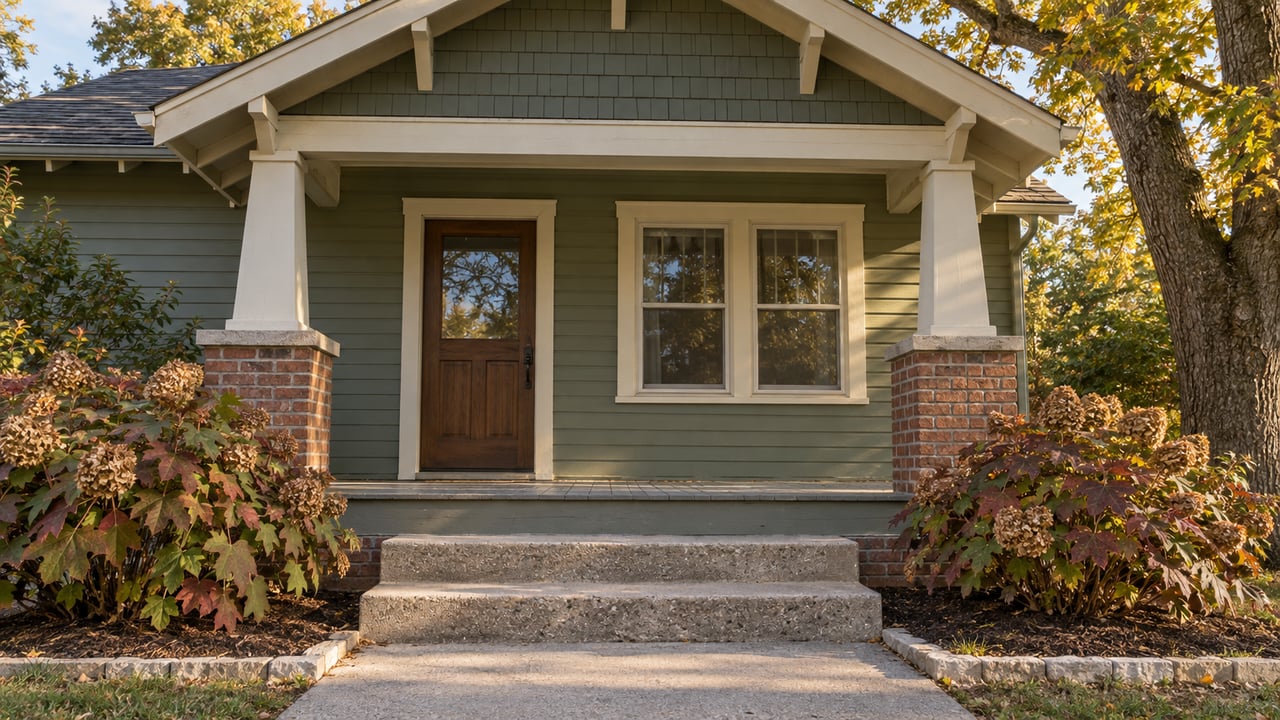
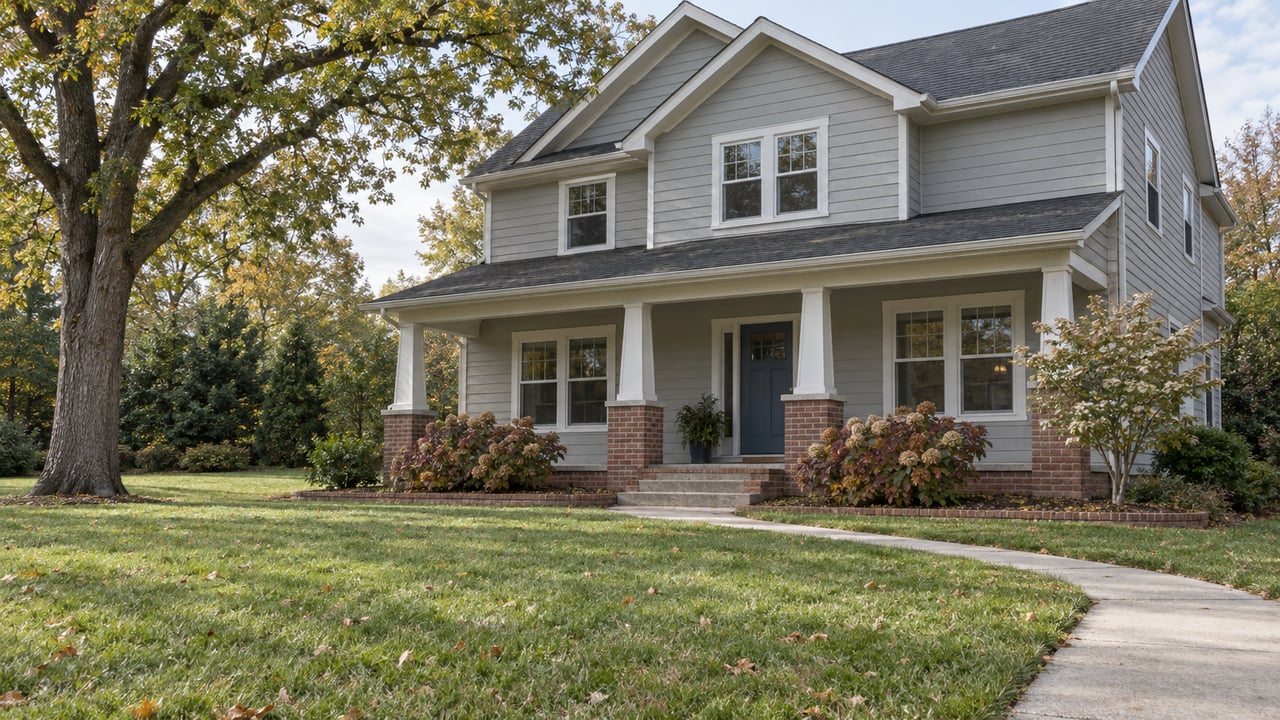
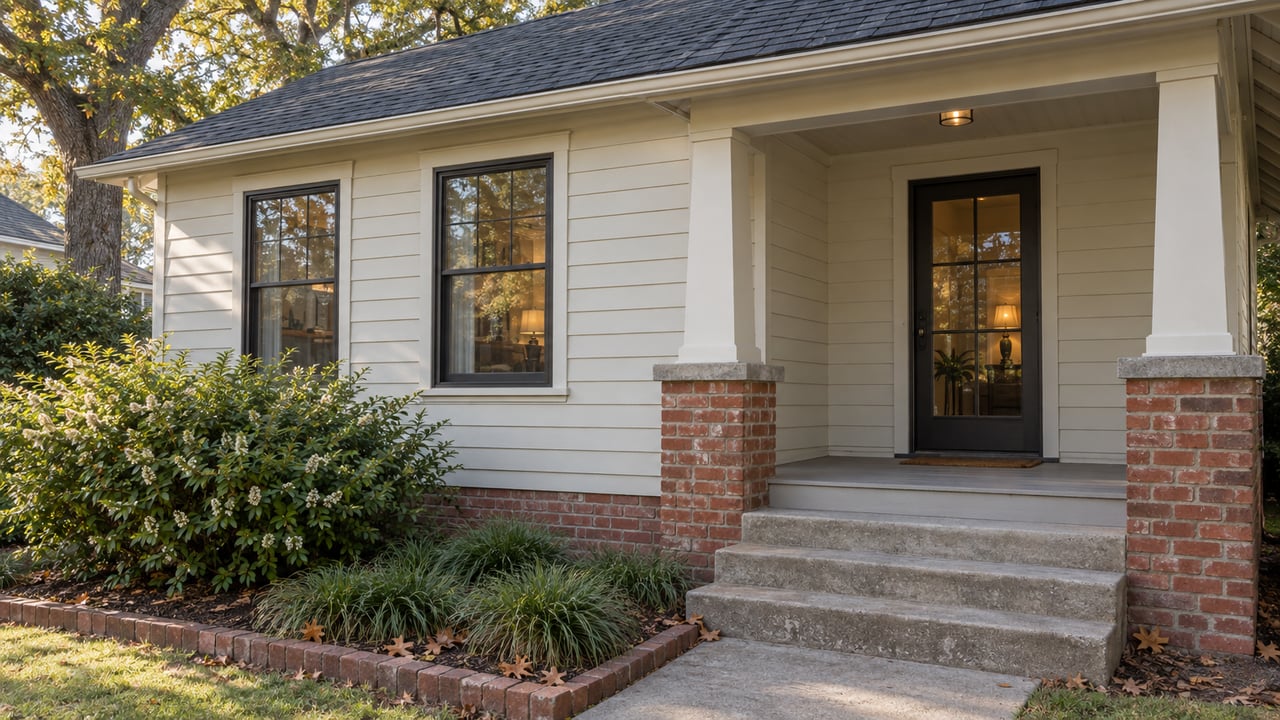
Highland Park sits near downtown Chattanooga with early 20th‑century bungalows and Craftsman homes that have seen steady renovation and demand. Its walkable, central location appeals to a wide mix of renters. As a market anchor, recent summaries show neighborhood median sale prices in the low to mid hundreds of thousands, with specific figures changing as listings move. You can scan current trends on the Highland Park market snapshot for context.
House-hack setups that fit
Live with roommates
Leasing extra bedrooms is the simplest start. You avoid creating a separate unit and usually face fewer permitting steps. Still, check your lease terms if you are already an owner-occupant with a mortgage, confirm any HOA rules, and make sure your insurance covers roommate situations.
Add an ADU on a single-family lot
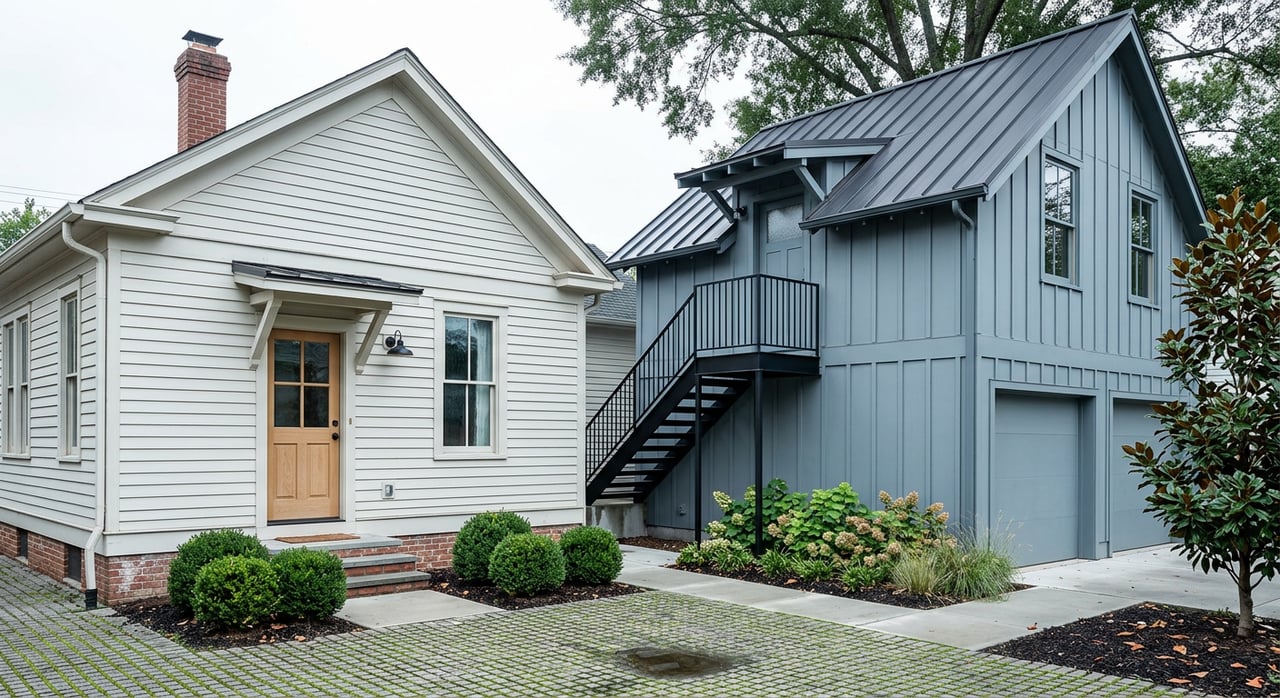
Chattanooga allows accessory dwelling units on qualifying single‑family lots. Typical house-hacks live in the main home and rent the ADU long term. The RPA ADU ordinance overview explains the basics: one ADU per lot, 200 to 800 square feet in size, and it must be built on a permanent foundation. If your ADU is 701 to 800 square feet, the city requires a second means of egress. Converting a garage often triggers parking replacement. If your parcel is inside a local historic district, you will need a Certificate of Appropriateness before exterior work.
Buy a legal duplex or small multifamily
Many house-hackers buy a duplex, triplex, or fourplex and live in one unit. Verify the property is legally recognized as multiunit, confirm Certificate(s) of Occupancy, and check utilities, fire separation, and egress. Zoning and parcel status vary street by street, so start with the city’s portal for zoning maps and verification and request an official letter if needed.
Rents and demand at a glance
Public listings in Highland Park often target renters who value proximity to downtown and UTC. Current listing snapshots commonly show studios or small 1‑bedrooms around 950 to 1,200 dollars per month, 2‑bedrooms at roughly 1,150 to 1,600 dollars, and larger 3–4 bedroom homes in the 1,400 to 2,250 plus range depending on condition and location. Use live postings for the clearest read by checking Highland Park rentals and adjusting for your property’s size and updates.
Run the numbers quickly
Simple screening math
A few quick metrics help you compare options:
- Gross Rent Multiplier (GRM) = Purchase Price divided by Annual Gross Rent. Lower is better, all else equal.
- Cap rate estimate = Net Operating Income divided by Purchase Price. For small properties, try a conservative expense factor of 30 to 45 percent of gross rent to cover vacancy, maintenance, and reserves.
For example, if a Highland Park duplex lists at 225,000 dollars and a tenant unit supports 1,300 dollars per month based on current comps, annual gross rent is 15,600 dollars. GRM is 225,000 divided by 15,600, which is about 14.4. If you assume 40 percent expenses, estimated NOI is roughly 9,360 dollars and the simple cap rate is about 4.2 percent. These are screening figures only; your lender will underwrite taxes, insurance, and mortgage payments separately. Always verify current rents and sale prices before making decisions.
Rules and permits to confirm
Getting parcel-specific answers early keeps you on schedule. Start every project by:
- Confirming zoning and whether ADUs or multifamily are allowed for your parcel using the city’s zoning maps and verification.
- Checking if the parcel sits in a local historic district. Exterior work and new ADUs there often require design review and approval. See the RPA ADU guidance for review triggers.
- Reviewing ADU size, egress, parking replacement, and utility connection rules in the RPA FAQ before you design or bid work.
- Contacting the Development Review and Permitting Office for timelines. Initial plan reviews can be quick, but historic approvals may add weeks.
- Confirming whether Chattanooga requires any rental registration for your specific address by asking City staff, since policies vary by municipality.
- Reading any HOA covenants for rental or ADU restrictions.
Financing paths for live-in investors
FHA for 1–4 units and renovations
FHA allows owner‑occupants to buy 1–4 unit properties with a minimum 3.5 percent borrower investment for eligible borrowers, along with occupancy and condition rules. FHA also offers 203(k) renovation financing, which can be helpful for ADU builds or conversions. See the FHA Single Family Housing Policy in the HUD Handbook 4000.1 for specifics, including self‑sufficiency tests that apply to some 3–4 unit purchases.
VA options if you are eligible
Eligible veterans often use VA loans to purchase 1–4 unit primary residences with no down payment required in many cases. You must occupy one unit and meet VA property standards. Review the VA home loan types to discuss fit and any lender overlays with your loan officer.
Conventional updates for 2–4 units
Recent automated underwriting changes have expanded maximum LTV for certain owner‑occupied 2–4 unit purchases, which can reduce required down payments compared with past norms. Lender overlays still vary, so compare scenarios with at least two lenders. You can read a concise summary of the change in this Fannie Mae DU update overview, then verify details with your loan officer.
Timeline and cost expectations
Plan review for straightforward ADUs is often measured in business days, but design review in local historic districts can add weeks. Converting garages may require replacing lost parking and upgrading utilities. ADUs of 701 to 800 square feet need a second means of egress. The RPA ADU page lists contacts for pre‑submittal meetings and checklists so you can scope fees and timelines before you commit.
Highland Park buyer tips
- Compare rent comps within a few blocks, then widen the search if you lack matches. Use listing data to price conservatively.
- For older homes, budget for system upgrades. Separate utilities and confirm safe egress in any basement or upper‑level unit.
- Ask a local insurer for owner‑occupant plus landlord coverage options. Policies and premiums vary by home type and insurer.
- Check property-specific taxes with the Hamilton County Trustee and verify any exemptions or reassessments after improvements.
Ready to explore a house hack that fits your budget and timeline? Tap into local due diligence, lender comparisons, and property search support with Lawrence Team Homes. Our team will help you evaluate properties, confirm zoning and ADU feasibility, and move forward with confidence.
FAQs
What does house hacking mean in Highland Park?
- House hacking is when you live in one part of a property and use another part to generate rent, such as leasing bedrooms, adding an ADU, or buying a legal duplex and occupying one unit.
Are ADUs allowed in Highland Park, Chattanooga?
- Yes, on qualifying single‑family lots under the city’s ADU ordinance. One ADU per lot is allowed, 200 to 800 square feet, on a permanent foundation, with extra egress and parking rules. See the RPA ADU guidance.
How much can I rent a 2‑bedroom in Highland Park?
- Current public listings often show roughly 1,150 to 1,600 dollars per month, depending on condition and location. Verify with live Highland Park rental listings when you are ready to price.
How do I confirm zoning or whether a duplex is legal in Chattanooga?
- Start with the city’s zoning maps and verification. For certainty, request an official zoning verification letter and check Certificates of Occupancy for multiunit properties.
Can projected rent help me qualify for a duplex loan?
- Often yes. Lenders commonly use an appraiser’s rent schedule. FHA, VA, and conventional programs all have rules, and FHA has self‑sufficiency tests for some 3–4 unit loans. Review the HUD Handbook 4000.1 and speak with your loan officer.