Thinking about buying land in Apison and building your own home? The idea is easy to love: more space, more privacy, and more freedom to create a property that fits your life. But before you fall for the dream, it helps to know that building on acreage in Apison is often less about the land itself and more about zoning, utilities, access, and permits. If you understand those moving parts early, you can make a smarter decision with fewer surprises. Let’s dive in.
Why acreage can be appealing
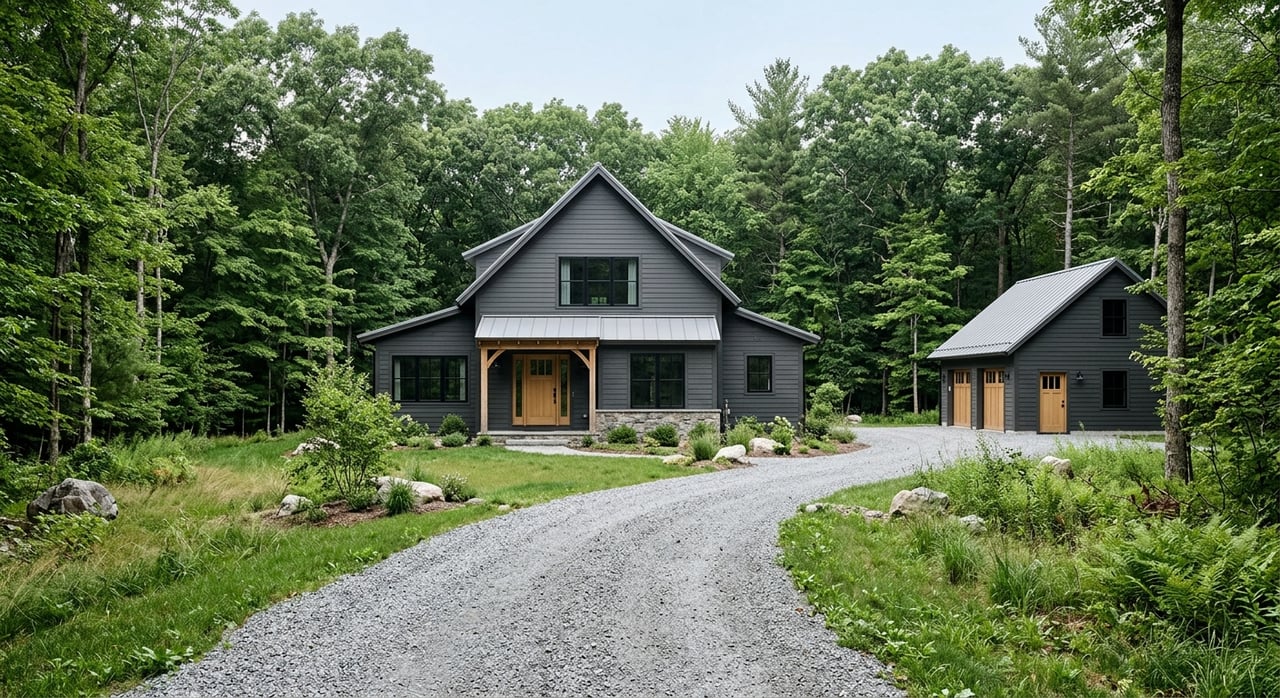
For many buyers, acreage offers something a typical neighborhood lot cannot. You may want extra room for a custom home, a detached shop, outdoor living space, or simply more distance between you and neighboring properties.
In Apison, that flexibility can be very appealing. Still, more land does not automatically mean an easier build. On raw or lightly improved land, the biggest questions usually come down to whether the site is practical, permitted, and affordable to develop.
Why buildability is the first question
If you are considering acreage in Apison, your first step should be verifying whether the parcel can support the kind of home you want to build. In unincorporated Hamilton County, zoning rules and site conditions can shape everything from minimum lot size to utility planning.
The Hamilton County Regional Planning Agency zoning map is a useful starting point, but it is for general reference only. Recent zoning changes may not appear right away, so parcel-level confirmation with RPA staff matters.
The zoning district itself also makes a difference. According to the county zoning summary, rural districts have very different minimum lot areas, ranging from one acre in AA to 20,000 square feet in A and 14,000 square feet in A-2. That means two properties in the same general area can have very different development options.
Subdivision rules may or may not apply
Acreage buyers sometimes assume all large tracts are handled the same way. In reality, the county’s subdivision regulations apply in unincorporated Hamilton County, but they specifically do not apply to tracts over five acres when no street or utility is to be constructed.
That exception can matter if you are evaluating a larger parcel. It does not remove the need for due diligence, though. You still need to confirm what the parcel can legally and practically support before moving forward.
Utilities can make or break the plan
One of the biggest differences between an acreage build and a home in an established subdivision is infrastructure. In a subdivision, many major utility questions have already been addressed. On acreage, you may be the one solving them.
That is especially true for sewer, septic, water supply, and easements. These items can affect your timeline, your budget, and even whether the property works for your plans at all.
Sewer availability is parcel-specific
The Hamilton County WWTA manages the public sewer system in unincorporated Hamilton County, and the authority says current projects are underway in Apison. That is helpful context, but it also means sewer availability may be changing from parcel to parcel.
In other words, do not assume a connection exists just because the property is in Apison. Confirm service early. When sewer is available, WWTA rules require separate service lines for each building site, and installation and connection costs are the responsibility of the applicant.
If the work affects a state or county right-of-way, separate approvals from TDOT or the County Engineer may also be required. That can add time and coordination to the process.
Septic may be the fallback
If a parcel cannot connect to public sewer, septic becomes the next major question. Hamilton County’s Groundwater Protection office uses a septic permit and lot review process that asks for the property location, site directions, house dimensions, and whether the water source will be public water or a well.
The county’s septic application materials also note that applicants should call when the house site is staked. Hamilton County requires septic installers to hold a county septic installer license or a state installer permit.
Water supply needs early review
On some acreage parcels, public water may be available. On others, a well may be part of the plan. Tennessee requires licensed well drillers, pump installers, and water-treatment-device installers, so this is another area where professional guidance matters.
If you are comparing land options, it helps to ask very early whether water is available, what type of system the property will rely on, and what that could mean for your overall build process.
Flood maps, drainage, and easements matter
A beautiful piece of land can still come with development hurdles. Hamilton County Construction & Property Services points buyers to flood map information for unincorporated Hamilton County, which makes flood exposure an important part of your review process.
You can find that information through the county’s Construction & Property Services resources. If the parcel is inside a municipality, property owners are directed to contact the local jurisdiction.
Beyond flood exposure, utility easements may also be required. The county’s subdivision regulations note that staff generally consult local utilities before requiring easements, which means this issue may not be obvious from a quick online search alone.
Permits are a major part of the timeline
When you build on acreage, the front-end work usually carries more weight than buyers expect. In unincorporated Hamilton County, Building Inspection handles building-code enforcement, and a building permit is required for new construction.
If you plan to act as an owner-builder, the rules are specific. An owner can pull a permit for a personal residence, but only for one single residence every two years, and not for resale, lease, or rent. Anyone hired by the owner is treated as a prime contractor or construction manager and is not exempt from licensing requirements.
Site work can trigger added approvals
Land disturbance can create another layer of permitting. In Hamilton County, disturbance of more than one acre, or less than one acre if it is part of a larger common plan, requires Water Quality permits in the program area. Outside that program area, TDEC construction stormwater coverage may be required.
This is one reason acreage timelines can be harder to predict than a standard neighborhood build. More site work usually means more reviews, more coordination, and more chances for revisions.
How long could an acreage build take?
No two projects are identical, but national data can offer a useful benchmark. According to the U.S. Census Bureau’s Survey of Construction, the average start-to-completion time in 2022 was 8.3 months for new privately owned residential buildings overall, 10.1 months for contractor-built single-family homes, and 12.1 months for owner-built homes.
For an acreage build in Apison, the actual timeline may stretch beyond those averages depending on site prep, utility coordination, permitting, and weather. That does not mean the project is a bad idea. It just means you should plan for less certainty than you might have with a home in an established subdivision.
Budgeting for the unknowns
Acreage often gives you more freedom, but it can also create more budget variables. Surveys, soil evaluation, septic review, utility extensions, tap fees, driveway installation, grading, drainage, and permit-related changes can all affect your total cost.
That is why a contingency matters. The American Institute of Architects says a 5% to 10% construction contingency is common, depending on the project’s risk, difficulty, and complexity.
On acreage in Apison, that range can be a practical planning tool. The more unknowns tied to the land, the more important it is to leave room in your budget.
Acreage vs. subdivision home
For some buyers, building on acreage in Apison is absolutely worth it. If you want space, flexibility, and a more custom setup, land can open doors that a standard neighborhood lot may not.
For others, a subdivision home may be the better fit because many infrastructure questions are already solved. The county’s subdivision framework highlights that basic difference: with acreage, more of the early decision-making falls on you.
Here is the practical tradeoff:
| Option | Potential Benefit | Main Tradeoff |
|---|---|---|
| Build on acreage | More flexibility, privacy, and space | More upfront research and uncertainty |
| Buy in a subdivision | Simpler utility and site conditions | Less customization and less land |
Neither choice is automatically better. The right fit depends on your goals, timeline, and tolerance for project complexity.
Questions to ask before you buy land in Apison
Before you move forward on an acreage purchase, make sure you get clear answers to these basics:
- What is the parcel’s current zoning?
- Does the zoning support the home you want to build?
- Is the property in unincorporated Hamilton County or inside a municipality?
- Is public sewer available, or will the site need septic?
- Will the water source be public water or a well?
- Is any part of the property in a flood-prone area?
- Will utility easements be needed?
- Does the site work trigger stormwater or land-disturbance permits?
- What approvals may be needed for work in the road right-of-way?
- How much contingency should you carry for unexpected site costs?
These questions can save you time, money, and stress. They can also help you compare one parcel against another in a more realistic way.
Is building on acreage in Apison right for you?
If you are comfortable doing more due diligence upfront, acreage in Apison can be a strong option for a custom home or long-term property plan. The key is not assuming that open land is ready to build just because it looks ideal.
The best acreage buyers start with facts. They verify zoning, review flood exposure, confirm sewer or septic options, understand water access, and account for permits before they commit.
If you are weighing land opportunities in Apison and want a local team that can help you think through the process, Lawrence Team Homes is here to help you evaluate your options with clarity and confidence.
FAQs
What makes building on acreage in Apison different from buying in a subdivision?
- Building on acreage in Apison usually requires more upfront research into zoning, utilities, septic or sewer, flood exposure, easements, and permits, while subdivision homes often have many of those issues addressed in advance.
How do you verify whether land in Apison is buildable?
- Start with the Hamilton County Regional Planning Agency zoning map for general guidance, then confirm parcel-specific details with RPA staff because online maps may not reflect recent changes.
Does every acreage parcel in Apison have sewer access?
- No. Sewer availability is parcel-specific, and buyers should confirm service directly because WWTA notes that projects are underway in Apison and access may vary by property.
What happens if an Apison land parcel does not have public sewer?
- If public sewer is not available, the property may need septic approval through Hamilton County’s lot review and permit process.
Do you need a building permit for new construction on acreage in unincorporated Hamilton County?
- Yes. Hamilton County Building Inspection requires a building permit for new construction in unincorporated areas.
How long does it usually take to build a home on acreage?
- Timelines vary, but U.S. Census Bureau data show 2022 averages of 10.1 months for contractor-built single-family homes and 12.1 months for owner-built homes, with acreage projects often facing added uncertainty from site work and utilities.