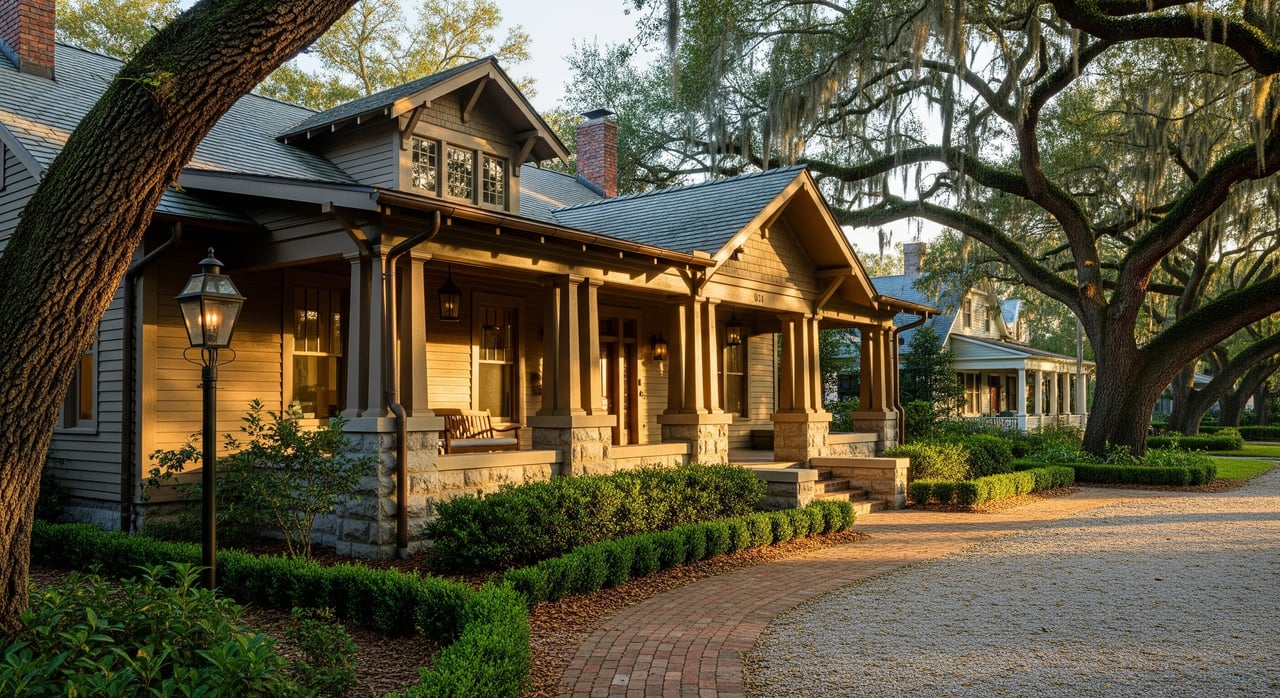
Do you ever pause on a Highland Park sidewalk and wonder what you are looking at, beyond a great porch or a steep gable? If you love character homes, spotting the style helps you see quality, plan renovations, and tell a home’s story with confidence. In this guide, you will learn quick visual cues for Highland Park’s most common historic styles, plus practical tips for photos, buying, selling, and sensitive updates. Let’s dive in.
Highland Park history at a glance
Highland Park grew as an early streetcar suburb in the late 19th and early 20th centuries. Most homes date from the 1890s through the 1930s, which is why you see so many bungalows, period revival designs, and a few surviving late-Victorian houses. Lots are set near the street with front porches and mature trees, which create a walkable, porch‑friendly streetscape. Some areas may be part of a local historic district or conservation overlay, so confirm current boundaries and requirements with City of Chattanooga planning or historic preservation staff.
How to spot each style
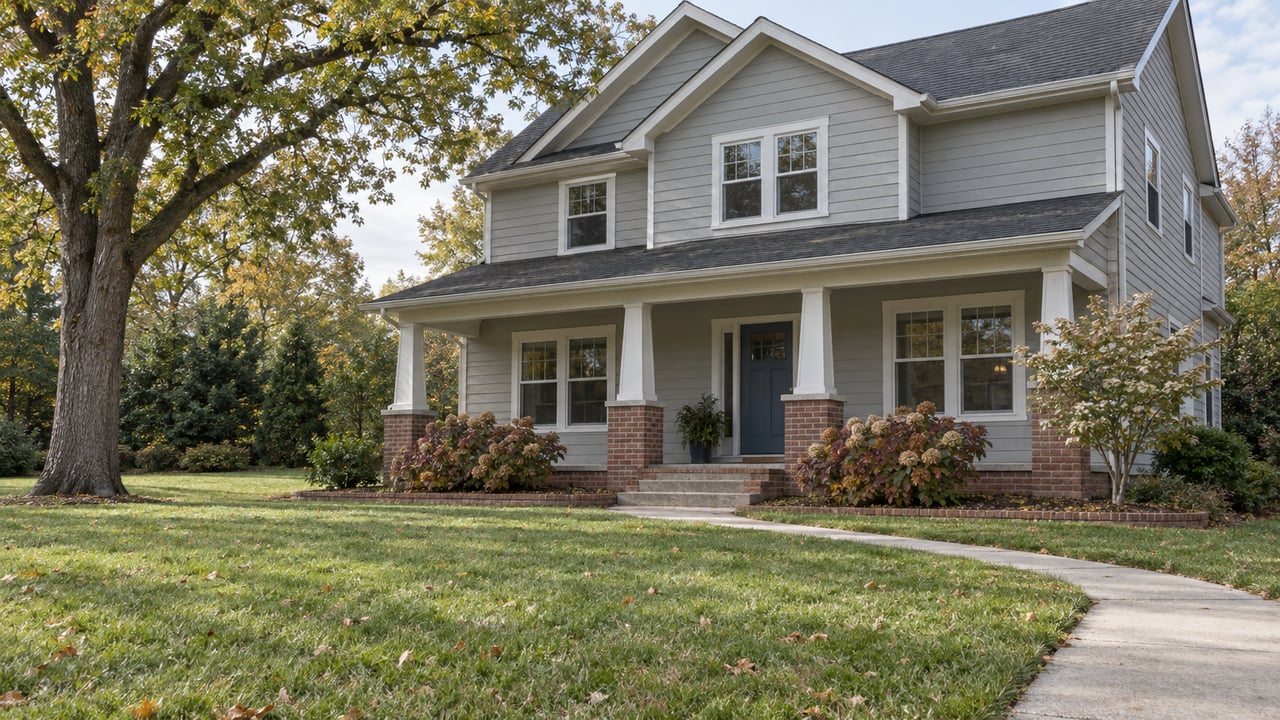
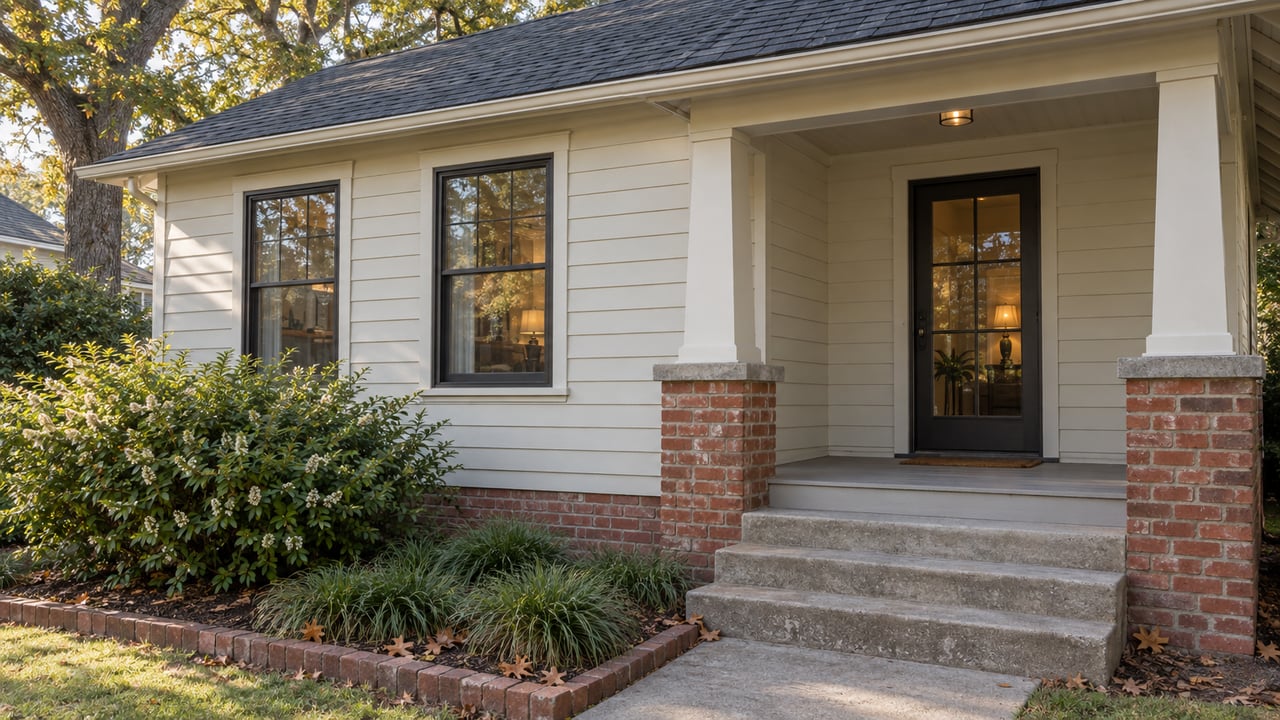
Craftsman and Bungalow cues
- Typical period: circa 1905–1930.
- Roof: low pitched, often gabled or hipped, with wide open eaves and exposed rafters or brackets.
- Porch: full or partial width with tapered square columns on heavy masonry or stone bases.
- Windows: grouped double-hung units, often 6-over-1 or 4-over-1; small decorative upper sashes appear in some homes.
- Materials: wood siding or shingles with stone or brick accents.
- Interior hints: open living and dining areas for the period, a central fireplace, and built-in cabinetry where intact.
- Common alterations: enclosed porches and replacement siding or windows that can hide defining details.
American Foursquare identifiers
- Typical period: about 1895–1930.
- Massing: boxy two-story square with a full-width front porch and a central dormer.
- Roof: hipped roofs are common.
- Details: simple trim that may borrow from Craftsman or Prairie cues.
- Plan hint: four rooms per floor is typical, with a central stair in many examples.
Queen Anne and Late Victorian signs
- Typical period: 1880s–1910s.
- Facade: asymmetrical fronts with steep and varied rooflines, sometimes a tower or turret.
- Porch: wraparound or visually rich front porches with spindlework.
- Texture: decorative trim, patterned shingles, brackets, and mixed materials.
- Look for: bay windows and ornate gable treatments.
Colonial Revival hallmarks
- Typical period: late 19th century through the 1930s.
- Symmetry: balanced front with a centered entry is common.
- Entry: doorway with classical surround, pilasters, or columns.
- Windows: multi-pane double-hung units, sometimes with shutters.
- Roof: gabled or hipped, often with dormers; materials include wood clapboard or brick.
Tudor Revival hallmarks
- Typical period: 1915–1935.
- Roof and gables: steep front-facing gables with a strong silhouette.
- Details: decorative half-timbering, tall narrow grouped windows, and a prominent chimney, sometimes with a chimney pot.
- Materials: brick and stucco with wood trim.
- Overall feel: compact, asymmetrical cottages with medieval-inspired accents.
Neoclassical features
- Typical period: late 19th into early 20th century.
- Presence: formal symmetry with full-height porches or porticos.
- Columns: classical orders and pediments are common.
- Materials: brick or wood clapboard.
- Overall impression: a grander, more formal look.
Vernacular and cottage forms
- Forms: smaller cottages, shotgun houses, and simplified versions of the major styles.
- Traits: modest ornament, local materials, and practical plans that echo the larger styles.
Photo checklist for style ID
Use this quick list when you tour or prepare a listing shoot:
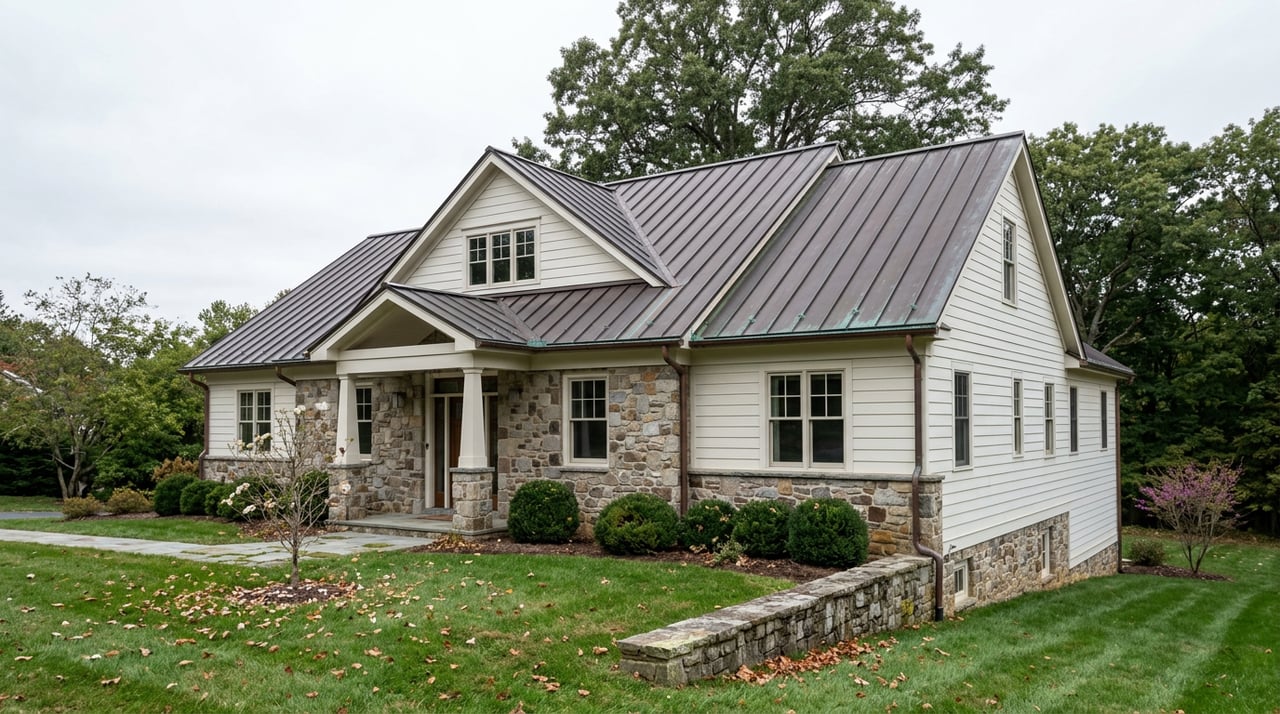
- Whole elevation: capture the front at a slight angle to show depth, porches, and side bays.
- Streetscape context: include sidewalk, trees, and porch rhythm to tell the neighborhood story.
- Porch details: columns, piers, railings, and foundations.
- Eaves and roof: exposed rafters, brackets, dormers, chimneys, and gable ornament.
- Windows: sash patterns, muntins, leaded or multi-light uppers.
- Materials: transitions between shingles, clapboard, brick, or stone.
- Decorative trim: dentils, half-timbering, spindlework, and gable treatments.
- Interiors if allowed: porches, living rooms, staircases, fireplaces, and built-ins.
Photography tips: even light shows detail best, so try overcast skies or golden hour. Include a scale reference, like railing height, so online viewers can read proportions.
Renovation and preservation basics
Many older neighborhoods are subject to local design review for exterior changes visible from the street. You may need a Certificate of Appropriateness before demolition, major facade changes, additions, new fences, or some porch work. Confirm Highland Park’s current status and guidelines with the City of Chattanooga’s Historic Preservation Office or planning department.
If you plan a restoration, keep these points in mind:
- Prioritize original features. Keep porch elements, window sash patterns, and trim that define the style.
- Match replacements. When you must replace, replicate profiles, materials, and proportions.
- Document first. Photograph and measure existing conditions before you start.
- Get help early. Consult a preservation-minded contractor and speak with the local preservation office at the start.
Incentives: The Federal Historic Rehabilitation Tax Credit offers a 20 percent credit for certified work on income-producing historic buildings. This does not apply to most primary residences. Tennessee and local programs vary, so check state and city options to see if grants, loans, or tax relief might fit your project.
Common pitfalls to avoid:
- Synthetic siding that covers trim and changes scale.
- Removing or shrinking a front porch.
- Replacing windows without keeping sash profiles and muntin layouts.
Buyer checklist for historic homes
- Ask about historic district rules that may affect future exterior changes.
- Inspect roofs, porches, foundations, and original plumbing and electrical systems.
- Compare lifecycle costs. Authentic materials may cost more up front but can protect value.
- Verify alterations. Note enclosed porches or replacement windows that may impact style.
Seller checklist to showcase character
- Highlight intact features with strong photos: doors, trim, built-ins, mantels, and porch details.
- Prepare simple, reversible touch-ups: paint, porch repairs, period-appropriate lighting.
- Disclose known restrictions, prior permits, and recent restoration work.
- Use captions that teach buyers what they are seeing, like “tapered porch columns on brick piers” or “6-over-1 Craftsman windows.”
When styles overlap
Many Highland Park homes blend features, like a Foursquare massing with Craftsman brackets. That is normal for early 20th-century houses. When in doubt, lead with the dominant form and the most visible details. Use “circa” or “early 20th century” when dates are uncertain, since later changes can blur timelines.
Plan your next steps
Whether you are buying, selling, or planning a sensitive update, knowing a home’s style helps you make better decisions and communicate value. If you want help identifying features, planning photos, or navigating local review, our Chattanooga-based team has the systems, vendors, and neighborhood know-how to keep your process smooth. Talk with us about your goals and timeline, and we will map the next steps together.
Ready to move forward with a Highland Park home? Connect with Lawrence Team Homes for clear guidance and a local plan that fits your project.
FAQs
What makes Highland Park historic, and when were most homes built?
- Highland Park grew as a streetcar-era neighborhood, with most homes built from the 1890s through the 1930s, which explains the mix of bungalows, revival styles, and some late-Victorian houses.
How can I tell a Craftsman bungalow from a Foursquare?
- A Craftsman shows low gables, wide eaves with exposed rafters, and tapered porch columns, while a Foursquare is a two-story box with a hipped roof, central dormer, and a full-width porch.
Are Highland Park homes in a historic district, and what does that mean?
- Some areas are recognized for historic value, and exterior changes visible from the street may require review; confirm current boundaries and approvals with the City of Chattanooga preservation staff.
Are there tax incentives for restoring a historic home in Chattanooga?
- A 20 percent Federal Historic Rehabilitation Tax Credit exists for certified work on income-producing historic properties; homeowners should also check state and local programs for possible incentives.
What should buyers inspect first in older Highland Park homes?
- Review roofs, porches, foundations, and original systems like plumbing and electrical, then confirm any district rules that could affect future exterior updates.
What should sellers highlight when listing a historic home?
- Showcase intact details such as doors, trim, built-ins, mantels, and porch elements, and provide disclosures about restrictions, prior permits, and recent restoration work.