Trying to choose between a condo or a townhome in downtown Chattanooga? You are not alone. Urban buyers here often weigh walkability and amenities against privacy, space, and ownership responsibilities. In this guide, you will learn the key differences, what to expect by neighborhood, and a practical checklist to help you pick the right fit. Let’s dive in.
Quick take: condo vs. townhome
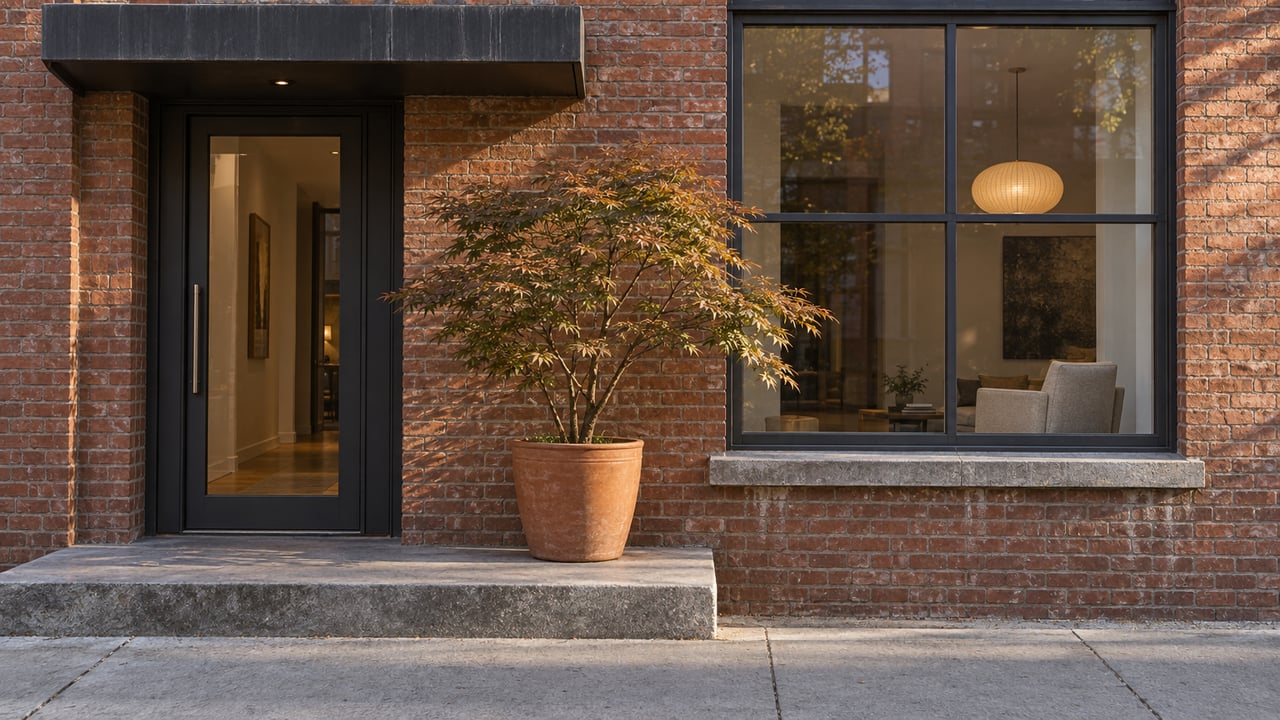
- Condos dominate the downtown core near the riverfront and main attractions. You get lower exterior maintenance, shared amenities, and an HOA that manages the building.
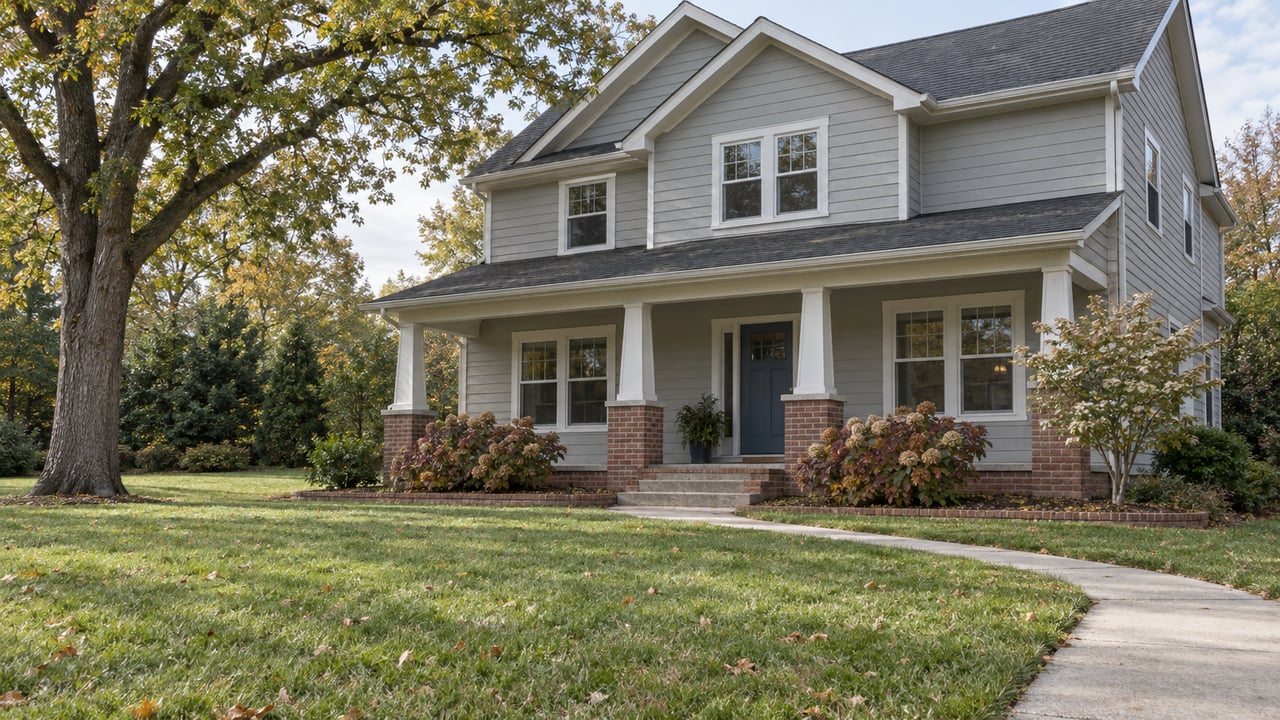
- Townhomes are more common on the edges and in nearby neighborhoods like Southside and Northshore. You get a private entry, often a garage, and more control over your space.
- Your choice comes down to priorities: lock-and-leave convenience and amenities versus more privacy, storage, and house-like living.
What condo ownership means
In a condominium, you own the interior of your unit and a shared interest in the common elements. Common elements include hallways, the exterior, roofs, building systems, and any shared amenities. A condominium association manages these items, sets rules, enforces covenants, and collects monthly assessments.
Your responsibilities usually include maintaining your interior finishes, fixtures, and appliances. The HOA carries a master insurance policy for the structure and common areas. You carry an HO-6 policy for your interior and personal property. Review the master policy to see whether it is bare walls in or all-in, since that affects what you insure.
What townhome ownership means
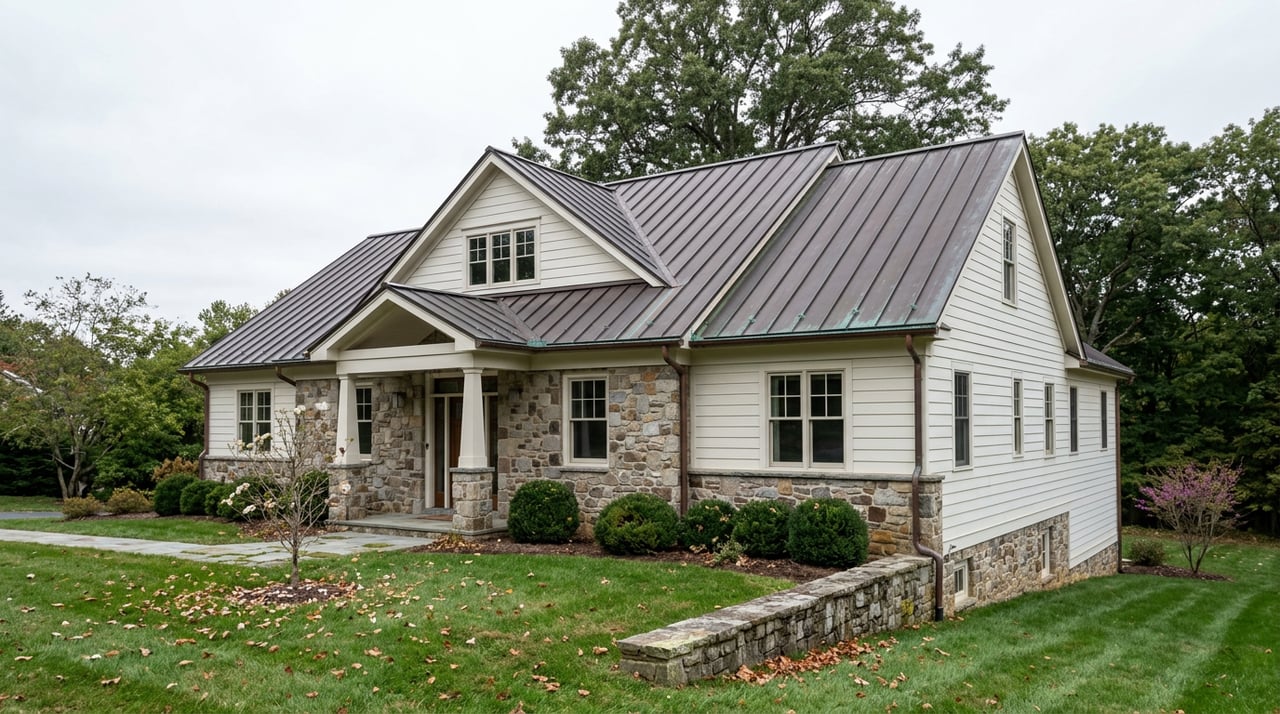
Many townhomes here are fee simple. You own the unit and the land it sits on, which can include responsibility for the exterior, roof, landscaping, and driveway. Some townhome communities, however, are organized like condominiums. In those cases, the association may cover parts of the exterior.
Always verify the legal setup in the community documents. Your ongoing maintenance, insurance needs, and HOA dues depend on how the townhome is structured.
Lifestyle differences that matter downtown
Maintenance and time
- Condo: The HOA handles building exteriors and shared spaces, which supports a lock-and-leave lifestyle.
- Townhome: You may handle exterior items yourself in fee-simple setups. Expect more time coordinating contractors and planning for variable costs.
Space and layout
- Condo: Sizes vary, but many downtown units favor efficient footprints, open plans, and elevator access. Some offer floor-to-ceiling views.
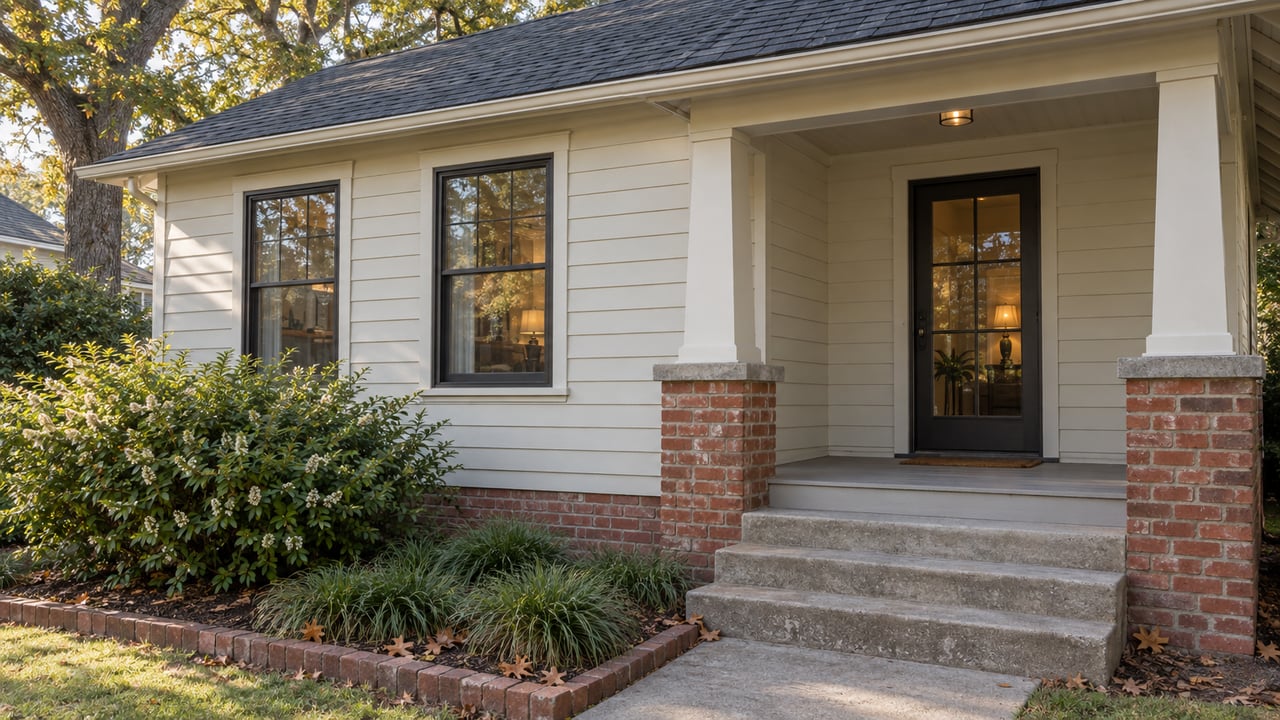
- Townhome: Often multi-level with a private entry, attached garage, and a small patio or yard. Good if you want separation of spaces and extra storage.
Parking
- Condo: You may have assigned spaces in a deck or a structured garage. Parking can be included in dues or sold or assigned separately. Street parking can be limited.
- Townhome: Private driveways or garages are common. Street parking depends on the block and municipal rules.
Amenities and building services
- Condo: You may see concierge services, fitness centers, pools, rooftop decks, resident lounges, and secure entries. These add convenience and can increase HOA dues.
- Townhome: Fewer shared amenities unless it is a planned development with small common areas or shared security.
Noise and privacy
- Condo: Shared walls and floors, plus common corridors and elevators, mean building design and policies matter for noise.
- Townhome: Less vertical stacking can feel more private, though attached walls can still transmit sound.
Where you will find each in downtown
Downtown Chattanooga’s core near the riverfront and along key entertainment blocks tends to offer more mid-rise and high-rise condos, plus historic loft conversions. On the edges, especially in Southside, Northshore, and parts of West Village, you will find more low-rise townhomes, rowhouses, and live-work units with private entries and garages.
Inventory can be limited, and well-priced units often move quickly. Because each building and block has unique tradeoffs like noise, views, parking, and sunlight, compare multiple buildings and nearby streets before you decide.
HOA structure and true cost of ownership
Condo HOAs usually have broader budgets because they cover building systems, elevators, insurance, and amenities. That can mean higher monthly assessments. Townhome HOAs may be lower if they only handle landscaping or limited services, especially in fee-simple setups.
Review these items before you offer:
- Monthly dues and exactly what they cover
- Reserve fund balance and any recent reserve study
- History of special assessments and current building projects
- Delinquency rate among owners
- Owner-occupancy rate
- Rental caps and short-term rental rules
- Pet policies and parking rules
- Any pending or recent litigation
Financing and insurance basics
Some lenders apply project-level underwriting to condos. They can review HOA budgets, reserves, insurance coverage, and delinquency rates. If you plan to use FHA or VA financing, confirm whether the project meets those programs’ requirements.
Insurance needs differ by form of ownership. Condo owners typically carry an HO-6 policy for interior coverage, personal property, liability, and sometimes loss assessment. Fee-simple townhome owners generally carry an HO-3 policy that covers the structure and land.
On or near the riverfront, flood exposure can vary block by block. Check flood maps and any building history of water intrusion or sewer backups. Confirm whether flood insurance is required and how coverage is handled for your unit type.
Parking, rentals, and city rules
Parking is a quality-of-life issue downtown. Verify your assigned or deeded spaces, guest parking policies, storage options, and any parking fees. Some developers sell or lease parking separately from unit ownership.
Short-term rental rules are set by the city or county and are also subject to HOA bylaws. If you plan to rent short term, confirm licensing, taxes, neighborhood restrictions, and your building’s policies before you buy.
Historic lofts and conversions
Downtown includes older buildings that were converted from commercial to residential use. These homes offer character but may have unique HOA structures, maintenance needs, or financing considerations. Ask about the age of systems like roofs, elevators, plumbing, and HVAC, and review any recent capital projects.
How to choose: a simple guide
Pick a condo if you want:
- A low-maintenance, lock-and-leave lifestyle near the riverfront, restaurants, and cultural attractions
- Elevator access, possible concierge, and amenities like a fitness center or rooftop deck
- Assigned garage parking and secure entries
Pick a townhome if you want:
- A private entry, garage, and more space for storage or hobbies
- A house-like feel with separation of floors and possibly a small yard or patio
- More control over your exterior and fewer shared services
In both cases, confirm short-term rental rules, pet policies, and owner-occupancy rates if those items affect your goals.
Your downtown due-diligence checklist
Use this checklist to compare properties side by side:
- Documents: bylaws, declaration, current budget, reserve study, insurance certificates, recent board minutes, and any litigation disclosures
- Dues and reserves: what dues cover, reserve fund strength, past and planned special assessments
- Building systems: age and condition of roof, elevators, HVAC, plumbing, parking decks, and common areas
- Financing: recent lender approvals in the building and any FHA or VA status if needed
- Insurance: scope of the master policy and whether it is bare walls in or all-in
- Parking and storage: number of spaces, deeded status, guest policies, storage units, and any fees
- Flood and hazards: flood zone status, building elevation, and any history of water issues
- Living logistics: likely noise sources, concierge or security hours, trash and recycling, package handling, and proximity to daily needs
- For townhomes: lot lines, shared walls, and who maintains the exterior, roof, gutters, landscaping, and driveways
Work with a local team that knows every block
Downtown is not one-size-fits-all. The right choice often comes from walking buildings, reviewing HOA budgets, and understanding how parking, amenities, and flood exposure change from one street to the next. When you want a clear path from wish list to closing, connect with a team that lives this market every day.
Have questions or want to tour a few buildings and townhome streets back to back? Talk to the neighborhood-focused experts at Lawrence Team Homes for step-by-step guidance, vetted vendor referrals, and a smooth, confident purchase.
FAQs
What is the main difference between condo and townhome ownership in downtown Chattanooga?
- Condos give you ownership of the interior plus a share of common elements managed by an HOA, while many townhomes are fee simple, meaning you own the unit and land and may handle more exterior maintenance.
Who pays for roof, elevator, or parking deck repairs in downtown buildings?
- In condos, the association typically handles these through dues or special assessments; in fee-simple townhomes, the owner often pays for roof and exterior unless the HOA covers them.
Are downtown Chattanooga condos harder to finance than townhomes?
- Sometimes, because lenders review condo association health and insurance; confirm project eligibility and any FHA or VA requirements with your lender early.
Can I have pets or do short-term rentals in my unit downtown?
- It depends on HOA rules and city regulations; always check the association’s documents and local ordinances before you buy.
How do I check flood risk near the riverfront before buying?
- Review flood maps for the specific block, ask about building elevation and water intrusion history, and confirm whether flood insurance is required for the property.