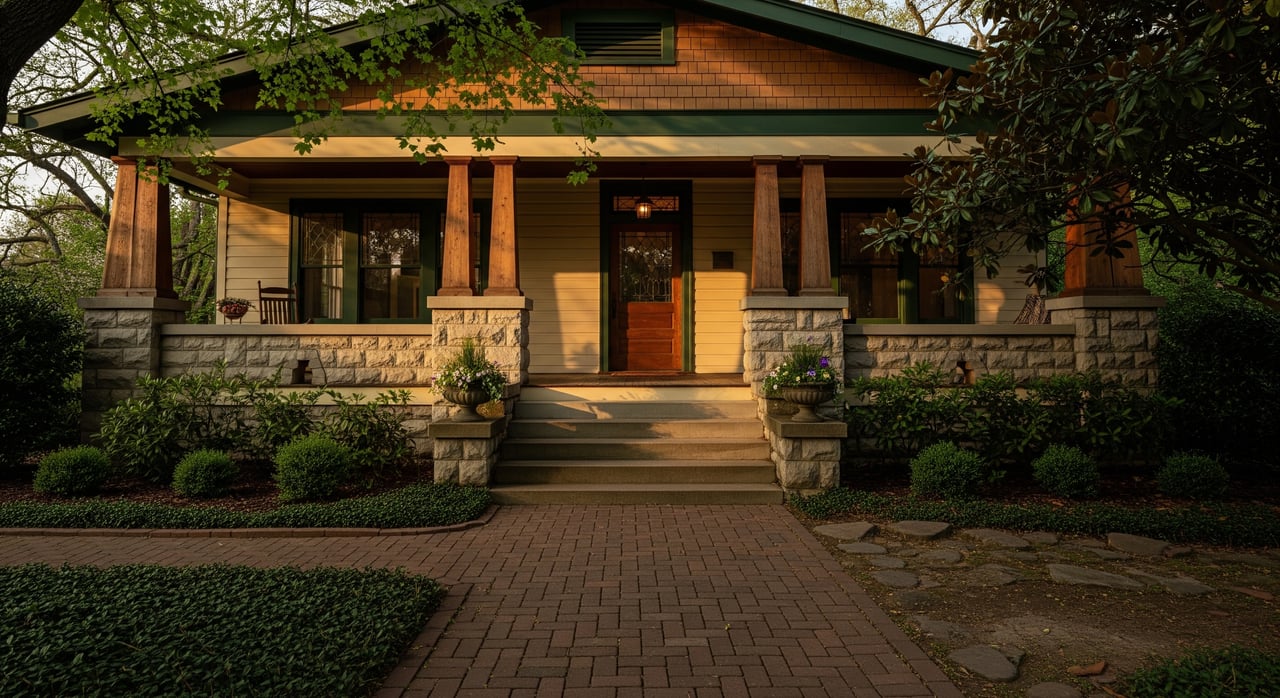
Love the idea of a cozy 1920s porch and original wood floors, but not sure what comes with owning a historic bungalow in North Chattanooga? You are not alone. These homes offer charm, walkability, and a hard-to-replicate character, yet they can also bring unique inspections, permits, and renovation decisions. This guide walks you through what to expect, how to budget, and how to make a competitive offer with confidence. Let’s dive in.
What “historic bungalow” means here
Styles and features you’ll see
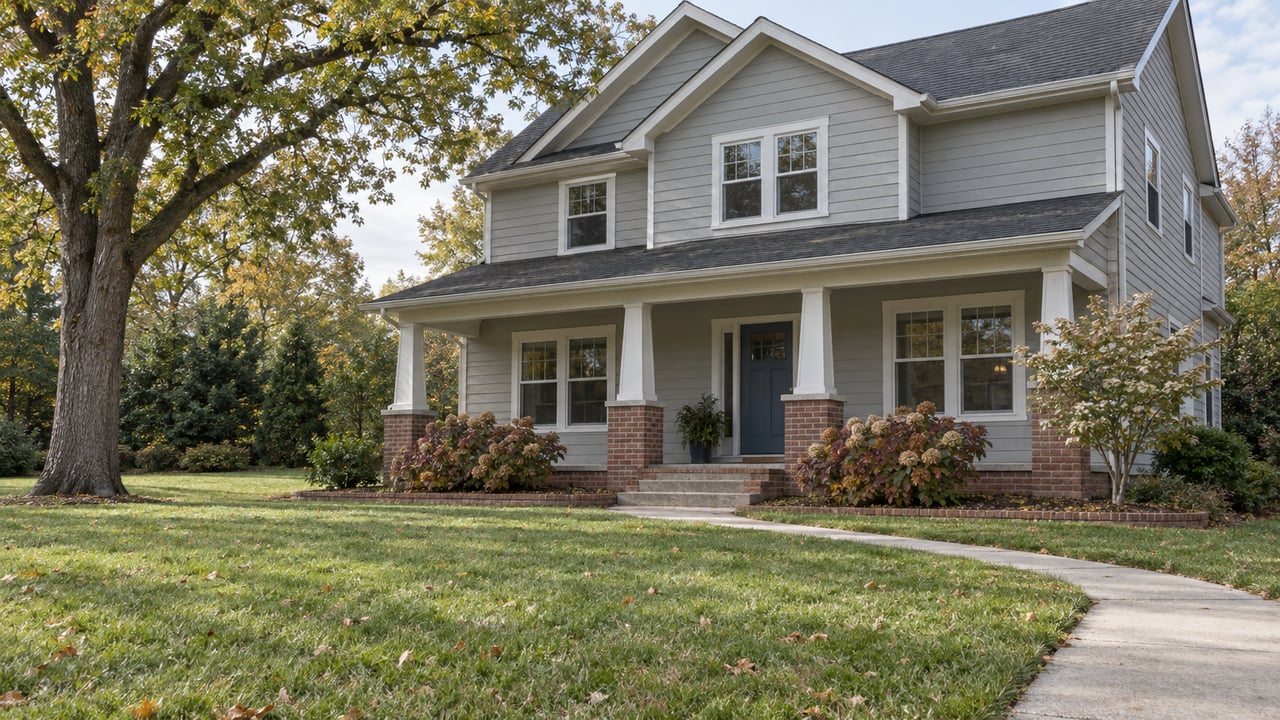
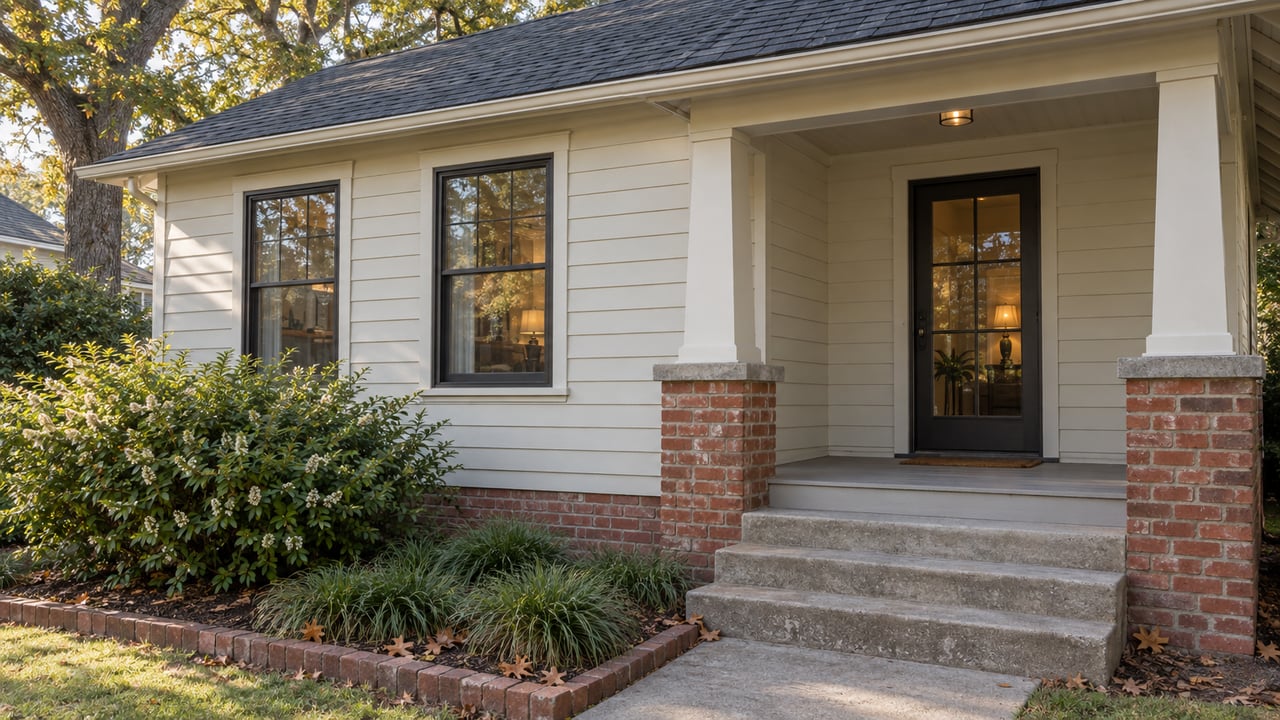
North Chattanooga’s historic bungalows typically date from 1900 to 1940. You will find Craftsman bungalows, foursquare-inspired plans, and vernacular cottages. Common features include low-pitched gabled roofs, wide eaves with exposed rafters, tapered porch columns, wood siding or shingles, built-in millwork, and original wood floors.
Many interiors still have plaster walls, coved or molded trim, and inviting porches. Foundations are often masonry, such as stone or brick, or early poured concrete.
Lot patterns and streetscapes
Lots tend to be smaller than suburban parcels. Homes sit closer to the street and mature trees are common. The streets are pedestrian friendly, so exterior changes that alter setback or the porch presence should be planned carefully.
Market dynamics
Bungalows here attract buyers who value character and proximity to city amenities. You should expect healthy interest for well-located properties, even if they need updates. Many homes will require some modernization, which you can turn into an advantage with the right plan.
Common condition issues to expect
Structure and exterior
Older stone or brick foundations can show settling or mortar deterioration. Crawlspaces may lack vents or encapsulation, and moisture can be a recurring concern. Roofs are often past their ideal life, so plan to evaluate flashing, valleys, and porch roof details. Wood siding, trim, and porch components may have rot or insect damage that calls for selective, profile-matched repairs.
Electrical, plumbing, and HVAC
Some bungalows still contain knob-and-tube or cloth-insulated wiring and outdated panels. Galvanized supply lines, iron pipes, or original cast-iron drains can require partial or full repiping. Many homes were built without central systems, so HVAC retrofits vary. Expect to budget for panel upgrades, wiring corrections, plumbing improvements, and efficient HVAC.
Interior finishes and materials
Plaster walls are common and require specialized repair techniques. Since these homes were built before 1978, lead-based paint may be present. Asbestos-containing materials can also show up in older floor tiles, mastics, or pipe insulation. Plan for lead risk assessments and, if remodeling, appropriate abatement practices.
Energy performance and moisture
Insulation levels can be inconsistent or minimal. Single-pane windows and drafty doors are typical. Energy upgrades like attic insulation, weatherstripping, storm windows, and high-efficiency HVAC can boost comfort. Drainage, gutters, and older sewer connections can impact basements or crawlspaces, so investigate grading and utility responsibilities.
A smart inspection plan
Start with an experienced inspector
Choose a home inspector who routinely evaluates older construction. A general inspection should cover structure, roof, systems, and visible conditions. Build an inspection contingency into your offer so you can identify material issues and negotiate repairs or credits.
Order specialty inspections when needed
Consider bringing in specialists if red flags appear:
- Structural engineer for foundation or framing concerns
- Electrician for older wiring or panel issues
- Plumber to evaluate galvanized pipes and the sewer lateral
- HVAC contractor to assess system age and efficiency
- Pest inspector for termites and wood-destroying organisms
- Environmental testing for lead-based paint and asbestos if you plan to remodel
Request documentation
Ask for maintenance records, permits for past renovations, and any history of water intrusion or pest treatment. Review tax-assessed data and listing disclosures for roof and HVAC age, as well as major system updates.
Historic districts, permits, and timelines
Design review basics
Many historic bungalows fall within local historic districts or overlays that regulate exterior changes. Design review often applies to items like window replacements, siding, porch alterations, and roofline changes. Paint color is usually not restricted, but preservation of visible architectural features often is. Early conversations with local preservation staff help set clear expectations.
Permitting and compliance
Structural work, HVAC, electrical upgrades, and larger plumbing projects typically require permits and licensed contractors. Unpermitted work can create resale challenges and may require retroactive permits. Verify timelines, fees, and inspection schedules with the city or county building department, and factor them into your closing and renovation plans.
Incentives and tax credits
The Federal Historic Rehabilitation Tax Credit applies to income-producing properties, not most owner-occupied single-family homes. Tennessee and local programs vary by location and can change over time. Check with the Tennessee Historical Commission and Chattanooga’s preservation office for any current grants, abatements, or façade programs.
Financing older homes and renovations
Standard mortgage vs renovation financing
A conventional mortgage is the most common route for purchasing a bungalow in good condition. If the home needs work, you can look at purchase-plus-renovation options or plan to use a home equity line after closing. Renovation loans can bundle the purchase and rehab into one solution, which can simplify cash flow.
FHA 203(k) and Fannie Mae HomeStyle
- FHA 203(k): Government-insured financing that supports both limited and standard scopes, including structural work. A HUD consultant and draw schedules may be required.
- Fannie Mae HomeStyle: A conventional renovation mortgage that covers purchase and a wide range of rehab costs under one loan, typically for owner-occupants.
VA, THDA, and energy-focused programs
If you are an eligible veteran, talk with your lender about available VA renovation options. The Tennessee Housing Development Agency may offer state-specific programs or down payment assistance. Some energy-efficient products can help finance insulation upgrades or high-efficiency systems. Availability and requirements change, so consult lenders with renovation experience.
Down payments and property standards
Lower down payment programs may have mortgage insurance and minimum property standards. Lenders sometimes require health and safety items to be addressed before funding, especially for FHA loans. Discuss timing and required repairs early so your offer and renovation plan align with underwriting.
Budgeting that avoids surprises
Typical scopes and priorities
Think about your project in layers:
- Cosmetic refresh: interior paint, floor refinishing, minor kitchen or bath updates
- Systems upgrade: electrical, plumbing, HVAC replacements or repipes
- Envelope and structural: roof, foundation stabilization, porch rebuilds
- Full restoration or gut rehab: most expensive and specialized, preserves historic details
Prioritize structural and moisture control first, then update systems, then exterior envelope and finishes.
Build a real contingency
Hidden issues are common in older homes. Set aside 10 to 20 percent of your renovation budget for surprises like concealed rot, subfloor problems, or insect damage. This cushion helps you stay on schedule when discoveries pop up during demolition or repair.
Sequence the work
Tackle the big risks first: stop leaks, stabilize structure, and correct electrical and plumbing hazards. Then handle HVAC, insulation, and windows or storms for efficiency gains. Finish with kitchens, baths, and cosmetic details so they are not damaged by earlier work.
Offer strategies in a sought-after area
Lead with strong financing
Arrive with a firm pre-approval or proof of funds. If you plan to use a renovation loan, talk with your lender about how to present your financing so sellers understand the process and timeline.
Protect yourself with a focused contingency
In competitive situations, shorten your inspection window rather than waiving it. A 7 to 10 day period can balance risk and speed, as long as you have inspectors ready. A reasonable earnest money deposit shows commitment without sacrificing your protections.
Prepare for appraisal variables
Unique bungalows sometimes appraise below contract if comparable sales are limited. Discuss appraisal gap strategies with your agent and lender. When inspections uncover issues, sellers often prefer repair credits over coordinating work before closing.
Plan for timelines
Renovation loans and design reviews can extend closing and project start dates. Build in realistic buffers for permitting and contractor scheduling so your offer terms remain credible.
Quick buyer checklist
- Get a lender pre-approval that supports your intended financing, and confirm renovation loan experience if applicable.
- Hire a home inspector who knows older and historic construction, and budget for specialty inspections.
- Ask the seller for permits and maintenance records. Review disclosures for roof, HVAC, and major system ages.
- If you plan exterior changes, contact local preservation staff early to understand design review.
- Collect multiple contractor bids with line-item scopes. Build a 10 to 20 percent contingency.
- Prioritize repairs in this order: structure and water control, systems, envelope, then finishes.
- Incorporate permit and review timelines into your offer and renovation schedule.
How Lawrence Team Homes supports your purchase
Buying a historic bungalow is as much about planning as it is about finding the right house. Our veteran, family-founded team brings more than 23 years of local experience and a proven systems-driven approach. You get a coordinated process, vendor recommendations, and clear guidance from first showing to closing.
We help you evaluate condition, structure the right inspections, and align financing with your renovation scope. Our team model means you always have coverage, prompt communication, and a steady plan to keep your purchase on track. When you are ready to explore North Chattanooga’s historic homes, we are here to help.
Ready to move forward with confidence? Talk to the trusted local team that makes it simple. Lawrence Team Homes.
FAQs
What makes a North Chattanooga bungalow a good renovation candidate?
- Look for a solid roof and foundation, plus electrical, plumbing, and HVAC that are either serviceable or clearly scoped for upgrade. Homes with mostly cosmetic work or systems updates, rather than major structural fixes, are typically lower risk.
Will historic-district rules limit my window or porch updates?
- Possibly. Exterior changes that alter the historic appearance often require review and approval. In-kind repairs are more likely to be accepted, while replacements that change visible character may be restricted.
Which inspections are essential for an older bungalow purchase?
- Start with a full home inspection. Add specialty evaluations for structure, electrical, plumbing and sewer lateral, HVAC, pest activity, and lead or asbestos testing if you plan to remodel.
Which renovation loan should I consider for a Chattanooga bungalow?
- FHA 203(k) works well for buyers with lower down payments or structural scopes, and it uses draws and sometimes a HUD consultant. Fannie Mae HomeStyle fits buyers with stronger credit who want broad renovation flexibility under a single conventional loan.
How much contingency should I set aside for renovations?
- A good rule is 10 to 20 percent of your total renovation budget. Structural repairs and moisture remediation can exceed expectations, so keep extra flexibility if your inspection hints at those issues.