Is Hixson heating up or cooling down? If you are trying to time a move, the headlines can be confusing. You want clear, local insight on prices, inventory, and how long homes take to sell so you can plan with confidence. In this guide, you will learn which numbers matter in Hixson, how to read them, and what they mean for your next step. Let’s dive in.
How we define the Hixson market
We use the Hixson micro-market as defined by the local MLS neighborhoods labeled “Hixson,” which align closely with the Hixson Census-designated place. This area covers most of ZIP 37343 with some overlap into nearby 37415 based on MLS mapping. Small submarkets like Hixson can have noisy month-to-month data, so reading trends the right way is key.
The three numbers that set the tone
Prices: median sale price and price per sqft
- Median sale price shows the middle of the market and is a simple gauge of value trends. In a small area like Hixson, a 3-month or 12-month rolling median helps smooth out spikes from a handful of sales.
- Price per square foot adds context when comparing different neighborhoods or home sizes. If larger homes sell in a given month, the raw median can jump even if underlying values are steady.
- Sale-to-list ratio shows how close homes sell to their asking price. When this ratio hovers near or above 100%, sellers typically have stronger pricing power.
Inventory: active listings and months of supply
- Active listings tell you how many choices buyers have right now.
- Months of supply (MoS) is the essential balance metric. It is calculated as active listings divided by the average monthly closed sales, often using a 3- or 12-month window.
- Rule of thumb: under 3 months often reflects a strong seller’s market, roughly 4 to 6 months looks more balanced, and above 6 months favors buyers. Treat this as a guide, not a hard line.
- Seasonal patterns matter. Hixson can see spring spikes in new listings and brief increases in MoS from small bursts of new construction. Short bumps do not always mean a lasting shift.
Days on market: the speed of the market
- Median days on market (DOM) shows how quickly listings move from active to sold. Rolling medians help here too.
- Lower price tiers in Hixson often sell faster than higher-end segments. That dynamic can drive the overall median DOM.
- Rising DOM paired with rising MoS is a classic cooling signal. Buyers may have more time and more room to negotiate in that setup.
2023–2024 context you should know
The Chattanooga region experienced rapid appreciation and tight inventory during 2020–2022. As mortgage rates rose through 2022–2023, activity slowed, inventory increased, and days on market lengthened in many submarkets. By 2023 through mid-2024, conditions in a lot of places settled into a new normal. Affordability remained a challenge for some buyers, but the pace felt more predictable than the peak frenzy.
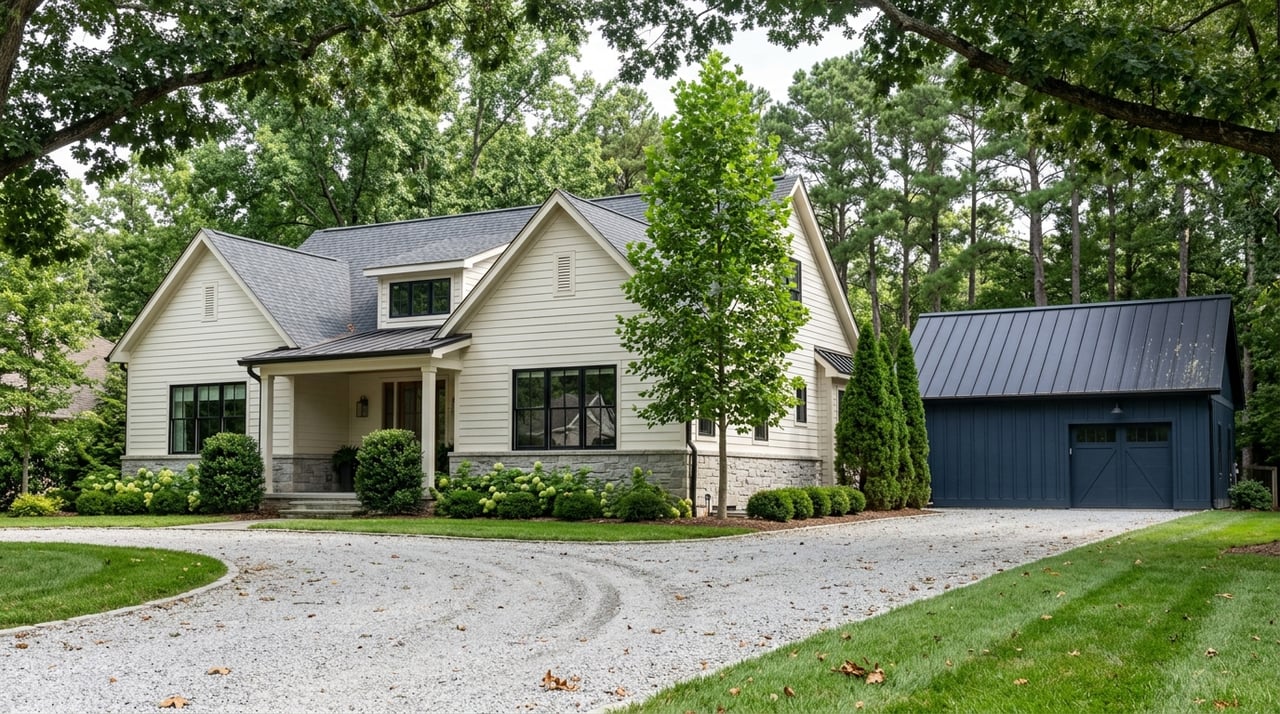
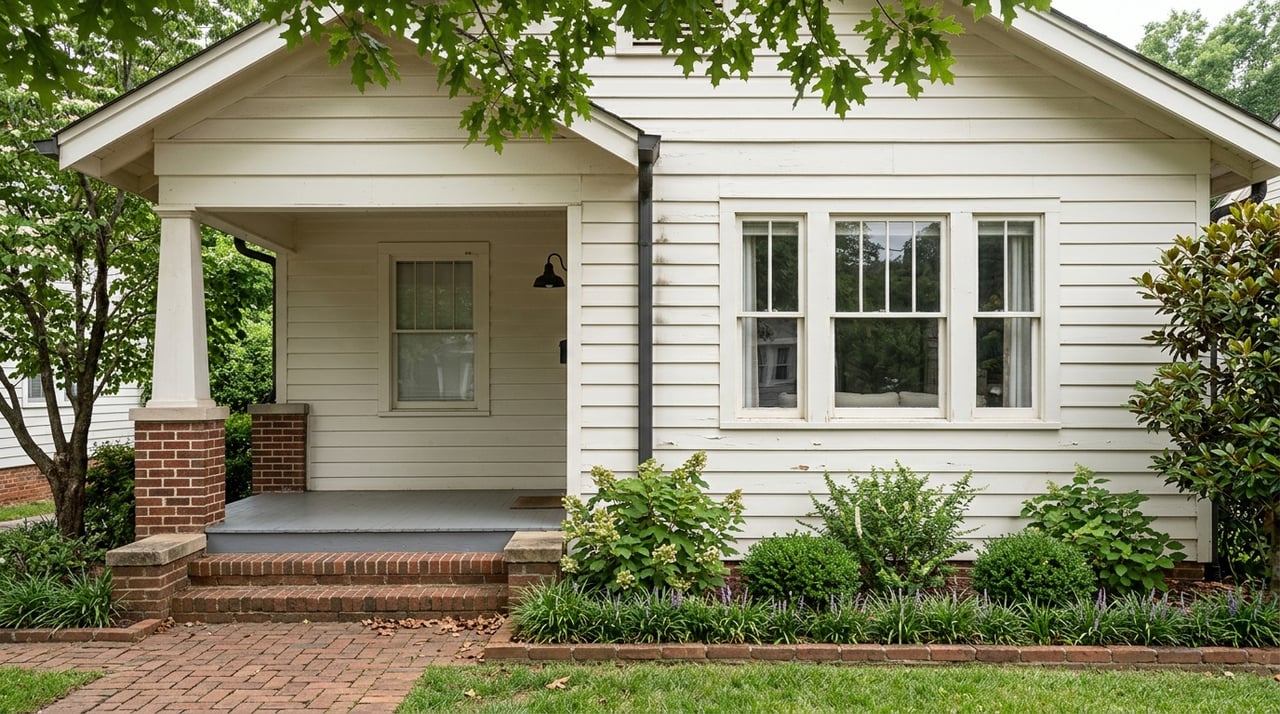
Hixson tends to attract buyers who value single-family homes and larger lots compared with some inner Chattanooga neighborhoods. Entry and mid-tier homes in Hixson often turn faster than higher-end listings. Because Hixson is a smaller micro-market, single-month data can overreact to a few sales. Reading 3- and 12-month rolling trends keeps you grounded.
Hixson vs nearby suburbs
Comparisons are helpful when they match like-with-like. Use price per square foot, similar home types, and similar price tiers. Raw medians can mislead if one area has more new construction or larger homes in the mix.
- East Brainerd and Ooltewah: Useful for comparing suburban single-family options and new-build activity. Match home age and lot size for a fair view.
- Red Bank: Closer-in and sometimes smaller-lot housing mix. Compare by price per square foot rather than raw medians.
- Soddy-Daisy: Another northern option with a range of lot sizes. Segment by price tier to see tempo differences.
- Signal Mountain and Lookout Mountain: Often higher-priced comparables. Helpful to benchmark premium tiers rather than the overall median.
When you compare Hixson to these areas, line up identical time windows and filters. A 12-month rolling median for each, along with MoS and DOM, will show you where buyers or sellers have the upper hand.
Price tiers matter in Hixson
Segmenting the market reveals where the action is. A simple three-bucket view works well:
- Entry tier: Often under the median price for Hixson. These homes typically see shorter DOM and stronger sale-to-list ratios because they draw more buyers.
- Mid tier: Frequently the heartbeat of the market. Watch MoS here for the first signs of a shift in leverage.
- Upper tier: Smaller buyer pool and longer DOM on average. This is where strategic pricing, presentation, and targeted marketing make the biggest difference.
If you are comparing neighborhoods within Hixson, also consider housing type. Single-family homes, townhomes, and condos can perform differently even in the same price band.
Buyer playbook: move with clarity
- Get specific about your price band. Track the median DOM and MoS for your tier, not just the overall Hixson numbers.
- If sale-to-list ratios are near 100% in your segment, write clean offers and be ready to move quickly. If ratios dip below the high 90s, you may have more negotiation room.
- Watch fresh listings in the first 7 to 14 days. In faster segments, the best homes can go under contract within that window.
- If MoS edges up and DOM lengthens in your tier, consider asking for seller-paid credits, repairs, or rate buydowns. Your strategy should match the data, not the headlines.
Seller playbook: price and presentation win
- Price to the current trend, not to last year’s peak or a neighbor’s outlier. Rolling medians and active comps in your micro-neighborhood tell you where buyers are today.
- Use the first two weeks wisely. If showings are light and DOM in your tier is short, consider an early calibration rather than waiting. Speed plus precision protects your net.
- Presentation pays off in every market. Professional staging, strong photography and video, and clear property preparation reduce time on market and protect sale-to-list ratios.
- If MoS is low and DOM is tightening in your segment, you can be more assertive with price and timing. If MoS is rising, build flexibility into your plan for concessions or targeted price adjustments.
How we track the numbers for you
For accurate, real-time local insight, we build custom reports using the Chattanooga-area MLS and public records. Here is how we ensure you get reliable direction, not noise:
- Rolling medians: We chart 3- and 12-month rolling medians for price, DOM, and months of supply.
- Clear definitions: Months of supply equals active listings divided by average monthly closed sales over the same time window.
- Smart segmentation: We break results into at least three price tiers and by housing type where relevant.
- Apples-to-apples comparisons: We run identical time frames and filters when comparing Hixson to nearby suburbs.
- Sample size notes: We flag small counts so you understand when a single sale may skew the picture.
Want the latest numbers for your address, price tier, or school area search? We can deliver a simple, visual digest you can scan in minutes.
What to watch next
- Mortgage rates: Shifts in rates can change monthly affordability and buyer urgency. Track trend direction to gauge near-term demand.
- New construction: Small bursts of new-build listings can temporarily bump Hixson inventory. Watch how quickly those homes go under contract.
- Inventory age: If a rising share of active listings sits over 90 days, expect more price reductions and concessions.
- Pending ratio: A rising share of homes going under contract relative to active supply is an early demand signal.
Get a custom Hixson market read
If you are planning a move this season, you do not need a generic citywide update. You need a Hixson micro-market view by price tier and home type, tied to a clear plan. Our local MLS-backed reports and listing preparation system make your decisions easier and your outcomes more predictable.
Ready to see the numbers that matter for your address or search? Talk to a local team that has guided clients through every market cycle. Reach out to Lawrence Team Homes for a custom Hixson update and a practical action plan.
FAQs
Is now a good time to sell in Hixson?
- It depends on months of supply and days on market in your price tier; under roughly 4 months of supply with steady or rising prices favors sellers, while above 6 months with rising DOM usually means longer timelines and more concessions.
How fast are Hixson homes selling right now?
- Use the median DOM for your segment as the guide; entry-level homes often move faster, while upper-tier listings tend to take longer, so ask for a current tier-by-tier DOM snapshot.
Are Hixson home prices going up or down?
- Check the 12-month rolling median sale price and price per square foot; if both are flat to rising with stable sales volume, values are holding, while declines paired with longer DOM suggest softening.
How does Hixson compare to East Brainerd and Ooltewah?
- Compare by price per square foot, property type, and identical time windows rather than raw medians; these areas can have different home mixes that skew simple comparisons.
How much negotiation room should Hixson buyers expect?
- Look at the median sale-to-list ratio and price reduction frequency in your tier; near 100% means fewer concessions, while lower ratios and more reductions signal room to negotiate.
What is months of supply and why does it matter in Hixson?
- Months of supply is active listings divided by average monthly closed sales; under 3 often favors sellers, 4 to 6 is more balanced, and above 6 generally favors buyers, especially if DOM is also rising.