A fixer can look like a smart way into Highland Park, but the real math goes far beyond paint colors and countertop choices. If you are drawn to the neighborhood’s older homes, porches, and early 20th-century character, you are not alone. The key is knowing which renovation issues matter most before you buy, so you can budget with confidence and avoid expensive surprises. Let’s dive in.
Why Highland Park fixers need careful analysis
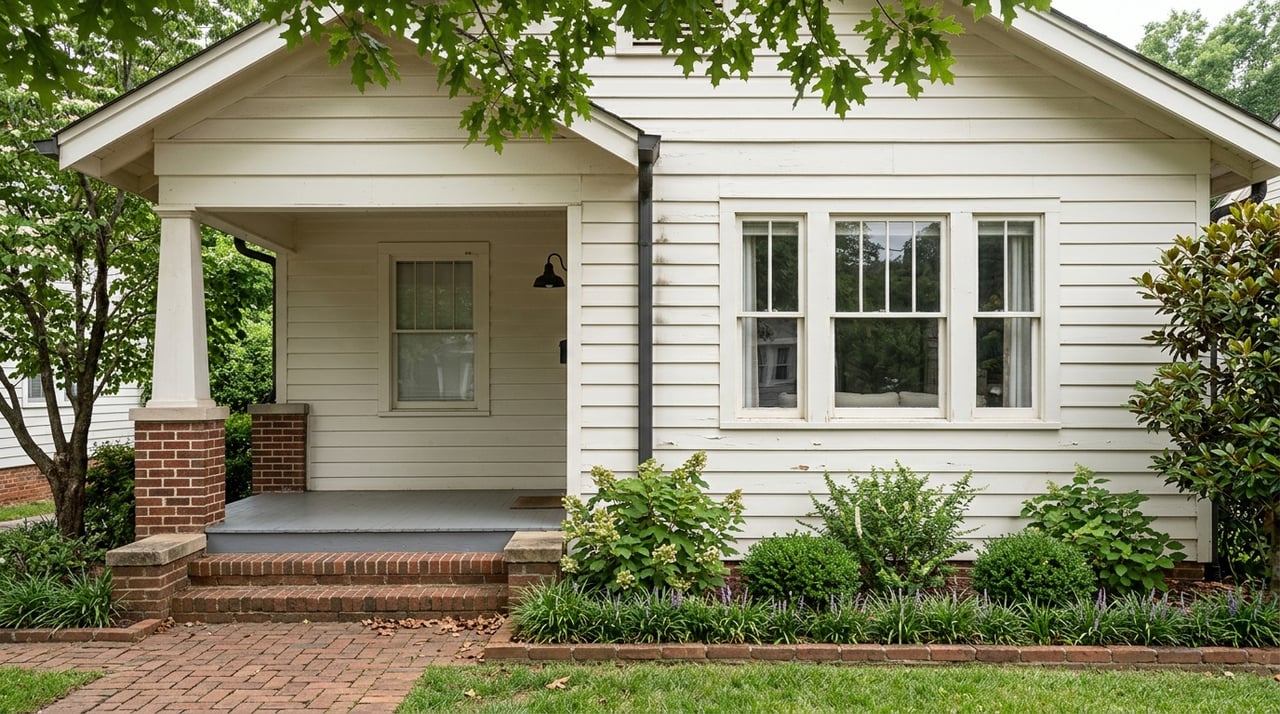
Highland Park is known for historic homes, Craftsman-style houses, renovated bungalows, and other older properties that reflect some of Chattanooga’s earliest suburban development. Many homes in the neighborhood were built no later than 1939, which means age is part of the appeal and part of the risk.
That age matters because older houses often need more than cosmetic updates. A home that looks charming at first glance may also need electrical modernization, plumbing work, HVAC upgrades, window replacement, or repairs related to moisture and drainage. In many fixer purchases, those bigger-ticket items shape the true cost far more than finish selections.
The market also gives you a useful reality check. Recent Highland Park data show a median sale price of about $419,859, with homes spending a median of 28 days on market and selling at about 98.6% of list price. That suggests buyers are still paying attention to condition and presentation, which is important if you want your renovation to support future resale.
Understand the Highland Park price spread
One of the biggest clues in Highland Park is the wide range of recent sale prices. Sold examples have ranged from roughly $165,000 to $565,000, which tells you that not every house benefits equally from renovation.
That spread usually reflects more than location alone. Size, layout, level of updates, and the quality of the finished work can all influence value. If you are buying a fixer, your goal is not just to improve the house. It is to improve it in a way that fits what buyers already value in this part of Chattanooga.
Focus on systems before finishes
It is easy to tour an older home and picture a new kitchen first. In reality, many fixer budgets should start with the systems and structure that make the house safe, functional, and durable.
In Highland Park, common renovation realities are likely to include:
- Electrical updates
- Plumbing modernization
- HVAC replacement or repair
- Window replacement
- Painted-surface repairs
- Moisture management
- Drainage or grading corrections
These items are not always exciting, but they often determine whether a project stays manageable. A beautiful cosmetic renovation can lose its appeal quickly if the house still has unresolved water intrusion, outdated wiring, or failing mechanical systems.
Lead-safe renovation planning matters
If you are considering a Highland Park home built before 1978, lead-safe planning should be part of your due diligence. Older painted surfaces can contain lead-based paint, and renovation work like sanding, cutting, or replacing windows can create hazardous dust.
For projects that disturb painted surfaces in pre-1978 homes, paid contractors must be certified and follow lead-safe practices. That rule also applies to flippers. For you as a buyer, this means contractor selection is not just about price or timeline. It is also about whether the work will be handled correctly from the start.
Check flood and drainage risk early
Before you finalize a renovation budget, look closely at the property’s site conditions. Chattanooga provides a public flood-risk map that can be searched by address, showing details such as flood zone, base flood elevation, design flood elevation, and other compliance warnings.
That is especially important with fixer properties because drainage, grading, crawlspace conditions, and insurance costs can change your budget in a hurry. A lower purchase price can lose its appeal if you later discover major site work is needed or flood-related costs are higher than expected.
Know the permit rules before closing
Permits can be a surprise for fixer buyers who assume small or mid-size rehab work is informal. Chattanooga enforces the 2018 International Residential Code, 2018 International Building Code, 2023 National Electrical Code, and related codes, so many common renovation projects involve formal requirements.
The city’s residential permit page also notes that permit applicants need a Tennessee contractor’s license, workers’ compensation proof or an exemption, and a Tennessee business license when pulling a permit. Property owners can pull their own permit only in limited situations, including when the work is for individual use and not for resale, lease, or rent, and when they have not used a property-owner permit in the last 24 months.
For many buyers, the practical takeaway is simple. Do not assume you can close on a house and casually manage a major rehab yourself. Your renovation plan should match the city’s permit process and your contractor’s licensing status from the beginning.
Screen contractors before you go under contract
In Tennessee, contractor rules can apply sooner and more often than buyers expect. In Hamilton County, a Home Improvement license is required for remodeling projects from $3,000 to less than $25,000. A contractor’s license is required before bidding, offering a price, or contracting for projects of $25,000 or more.
That means license verification should happen early, not after closing. If you are comparing quotes on a fixer, you want to know that the people pricing the job are actually qualified to perform and contract for that level of work.
A smart pre-purchase checklist includes:
- Getting rough scope estimates before you commit
- Confirming the contractor holds the right Tennessee license for the project size
- Asking whether permits will be required
- Clarifying who will pull permits
- Building time for inspections and approvals into your plan
Do not assume historic review applies
Highland Park’s older housing stock can make buyers assume every exterior change will face historic review. That is not automatically true.
In Chattanooga, there is a difference between an older home, a National Register property, and a local historic district. Only local historic districts have design guidelines and local historic-zoning oversight, and National Register status alone does not prevent alteration or demolition.
Chattanooga’s current local historic districts listed by the city are Battery Place, Ferger Place, Fort Wood, and St. Elmo. If you are eyeing a Highland Park fixer, verify the parcel’s actual status before you make plans for additions, exterior changes, or demolition-related work.
If a property is in a local historic district or is a local landmark, a Certificate of Appropriateness process can apply to exterior changes and related work. That application can require photos, site plans, elevation drawings, and materials lists, so it is better to know early than be delayed later.
Build a renovation budget with margin
A fixer budget should include more than your mortgage payment and contractor bids. Your full monthly housing cost can include principal, interest, property taxes, mortgage insurance, homeowner’s insurance, flood insurance, and HOA fees if applicable. You should also plan for utilities, moving costs, repairs, and a cash cushion for surprises.
Older homes especially call for healthy reserves. Guidance referenced in the research suggests homes more than 30 years old may warrant an annual maintenance target of about 4%. Even if your immediate renovation is well planned, an older property can still bring ongoing maintenance needs that newer homes may not.
Many renovation loan structures also build in a contingency reserve for unknowns. A 10% to 15% reserve is a useful planning benchmark for permits, plans, inspections, and cost overruns. If you are trying to decide whether a fixer still makes financial sense, that cushion should be part of the calculation, not an afterthought.
Include property taxes and carrying costs
In Chattanooga, residential property is assessed at 25% of appraised value, and city residents pay both city and county property taxes. The city also separately provides tax and stormwater fee payment tools.
For a fixer buyer, those carrying costs matter from day one. If renovations take longer than expected, you may be covering mortgage payments, taxes, insurance, utilities, and project expenses at the same time. That overlap can put pressure on your budget, especially if the house is not immediately move-in ready.
Plan renovations with resale in mind
The best fixer strategy is usually not to create the most expensive house possible. It is to create a well-finished home that feels consistent with what buyers already appreciate in Highland Park.
Given the neighborhood’s broad sales range and median sale price near $420,000, thoughtful updates often matter more than luxury-for-luxury’s-sake spending. Preserving character, correcting deferred maintenance, and choosing improvements that align with comparable homes can put you in a stronger position than overbuilding for the block.
That might mean keeping the home’s original feel where possible while making the systems, layout, and finishes more functional for today’s buyer. In a neighborhood with older housing stock, the houses that tend to resonate are often the ones that feel cared for, not stripped of identity.
A practical fixer mindset for Highland Park
If you are serious about buying a fixer in Highland Park, try to think in layers. First, ask whether the home has the right location, size, and long-term potential. Then evaluate the hidden costs behind the visible charm.
A practical mindset usually includes three questions:
- What must be fixed right away?
- What can wait until later?
- Will the total investment still make sense for this part of the market?
That approach can help you separate a promising opportunity from a project that looks cheaper upfront than it really is. In an older neighborhood, discipline often matters just as much as vision.
If you are weighing a Highland Park fixer and want local guidance on value, renovation risk, and how a property fits the broader Chattanooga market, talk to Lawrence Team Homes. A team with neighborhood knowledge and a reliable local network can help you evaluate the house before the surprises become yours.
FAQs
What makes a fixer in Highland Park different from a newer home purchase?
- Highland Park has many older homes, often built no later than 1939, so buyers should expect renovation needs tied to systems, windows, painted surfaces, moisture, and drainage, not just cosmetic updates.
What renovation issues should Highland Park fixer buyers budget for first?
- Start with major systems and envelope items such as electrical, plumbing, HVAC, windows, moisture control, and drainage, since those often drive the real cost of owning an older home.
What should buyers know about lead paint in Highland Park homes?
- If a home was built before 1978, disturbed painted surfaces may involve lead-safe renovation rules, and paid contractors must be certified and follow lead-safe practices.
What permit rules apply to fixer renovations in Chattanooga?
- Chattanooga enforces current building and electrical codes, and many residential renovation projects require permits, qualified contractors, and supporting documentation depending on the scope of work.
What contractor license rules matter for Highland Park fixer projects?
- In Hamilton County, a Home Improvement license is required for remodeling projects from $3,000 to less than $25,000, and a contractor’s license is required for projects of $25,000 or more.
What should buyers check about flood risk for a Highland Park fixer?
- Buyers should search the property address on Chattanooga’s flood-risk map to review flood zone details, elevations, and warnings that may affect drainage work, crawlspace planning, insurance, and total renovation cost.
What should buyers know about resale after renovating a Highland Park home?
- Recent Highland Park sales show a wide value range, so resale often depends on matching improvements to neighborhood expectations, preserving character, and avoiding over-improving beyond comparable homes.