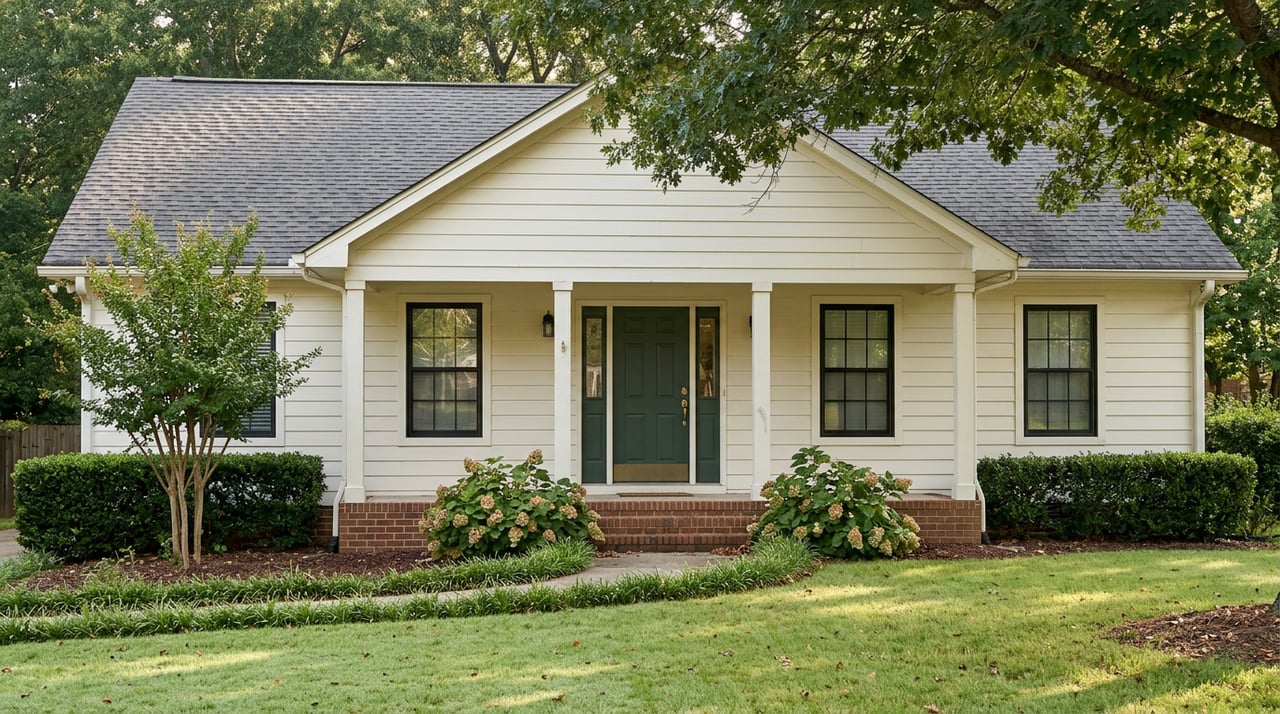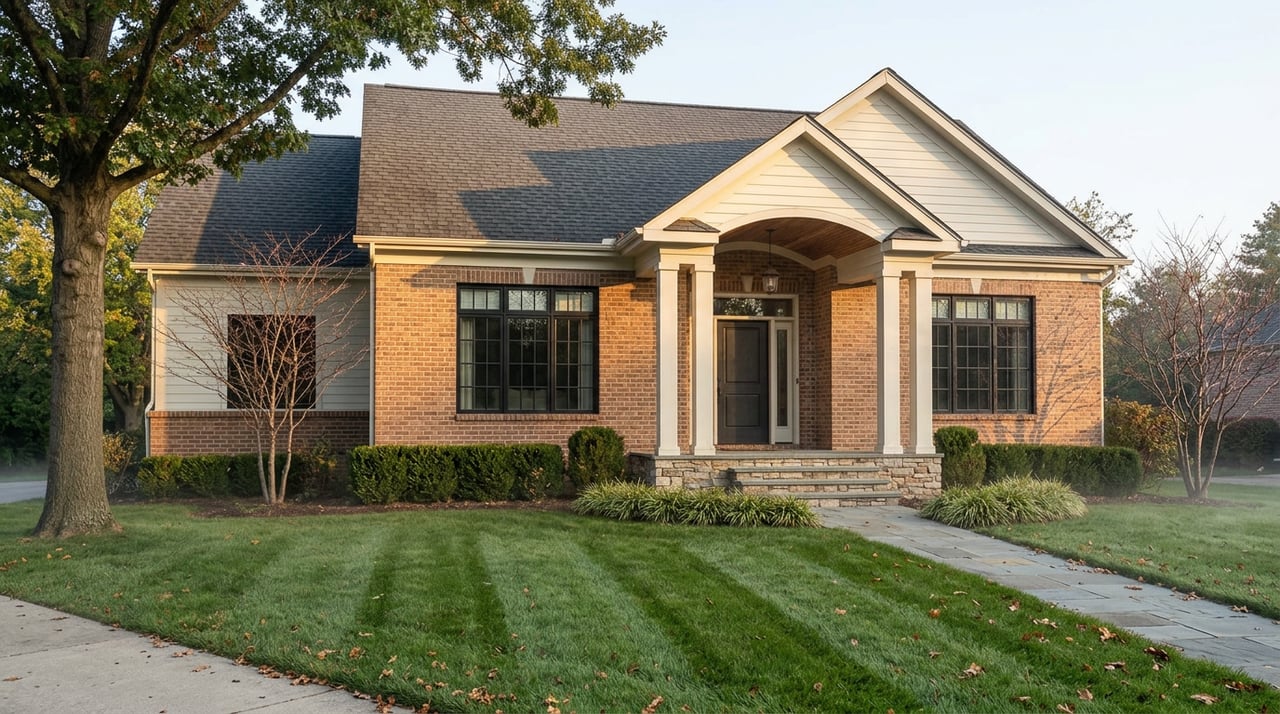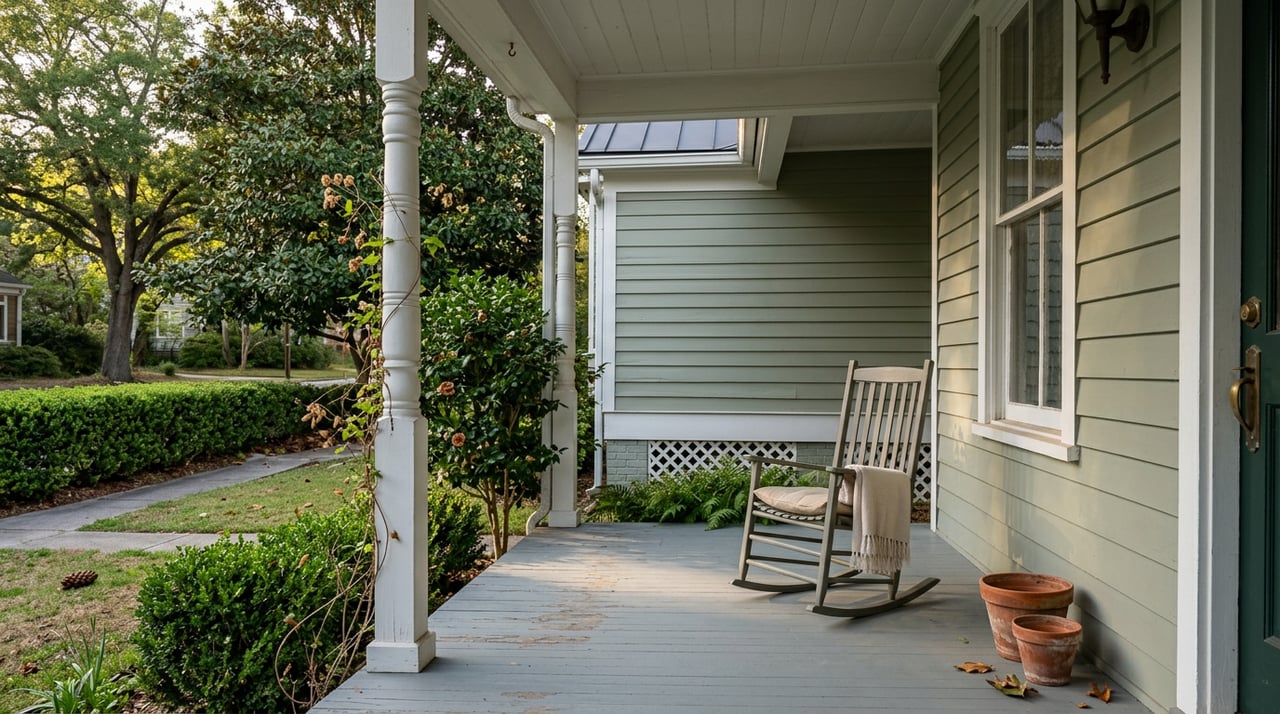
"This kind of traffic in a neighborhood like this is going to be detrimental," St. Elmo resident Martina Brown told a reporter earlier this year, describing what a Rock City gondola could mean for the street she lives on. She wasn't talking about the view from the summit, or the $30 million price tag, or which state gets to approve the project. She was talking about St. Elmo Avenue itself, the two-mile stretch of Victorian and craftsman homes that doubles as Tennessee State Route 17.
That distinction matters more than most of the coverage of this project has let on. The gondola debate has been framed, again and again, as a fight over whether Rock City gets to build a sky lift up Lookout Mountain. For the people who live at the bottom of that mountain, the real question is narrower and closer to home: whose street absorbs the cars.
What the Traffic Study Actually Says
Rock City's plan would move the attraction's main parking away from the mountaintop and down to a property the company has owned since 1979 along Chattanooga Valley Road in Walker County, Georgia. It's a farm that hasn't been used by the park since 2019, and the pitch is straightforward: park at the bottom, ride the gondola to the top, skip the drive up Ochs Highway entirely.
A traffic study conducted by the engineering firm Kimley-Horn and released publicly in June backs up part of that pitch. Rock City initially declined to share the full study with the city of Lookout Mountain, Georgia, but released it after residents pushed back on the headline claim. The numbers, once they came out, tell a more complicated story than "less traffic":
- Ochs Highway would see roughly 2,800 fewer car trips per day, as visitors bypass the mountaintop road entirely.
- St. Elmo Avenue would see roughly 1,680 more car trips per day, most of them concentrated between 11 a.m. and 4 p.m.
- Current volume on St. Elmo Avenue runs around 10,660 vehicles a day. The added trips would push that to roughly 12,340.
- Using capacity guidelines developed by the Florida Department of Transportation, the maximum acceptable volume for a road like St. Elmo Avenue is 16,640 cars a day, which the study cites to argue the road would still have about 25 percent of its capacity left.
Read quickly, that sounds like good news for the region and a wash for the neighborhood. Read closely, it's a transfer. The traffic isn't disappearing. It's moving from a state highway that serves a tourist attraction to a state highway that serves a residential historic district, and the study's own math is the evidence.
The Street That Already Fought This Fight
St. Elmo Avenue's speed limit didn't drop to 25 mph by accident. Residents lobbied for years to get it lowered, and the Tennessee Department of Transportation added a new stop sign along the corridor in 2025, part of a longer campaign against cut-through speeding on a road lined with front porches, narrow setbacks, and pedestrian crosswalks. St. Elmo has been a Local Historic District since 1992, which means even a homeowner's exterior repaint can require a pass through the city's Historic Zoning Commission. This is a neighborhood accustomed to slow, deliberate change on its own street.
The Community Association of Historic St. Elmo, known locally as CAHSE, surveyed residents earlier this year to gauge reaction to the gondola. Of the 120 people who responded, half opposed the project to some degree, 35 percent supported it, and 15 percent were unsure. CAHSE president Nathan Bird summed up what the association expected going in: "We expected traffic to be the number one concern."
What CAHSE cannot do is vote on the project. The association isn't a homeowners association with binding authority, and the gondola's approvals run through two different bodies in a different state: the Walker County, Georgia government, which approved rezoning the base-of-mountain farm from residential to commercial in February, and the town of Lookout Mountain, Georgia, which had to decide whether to amend its own zoning ordinance to allow a sky lift within city limits at all. Neither process requires a vote from anyone who actually lives on St. Elmo Avenue.
What "25 Percent Capacity" Doesn't Measure
Rock City's traffic study answers a specific engineering question: will the road technically handle the additional cars without exceeding a volume ceiling. That's a legitimate metric for a four-lane arterial through open commercial frontage. It's a much narrower answer for a two-lane residential highway where dogs, strollers, and kids on foot share the right-of-way with drivers, and where the posted limit exists precisely because people weren't slowing down enough on their own.
Rock City spokesperson Pepper Raper has said the company designed the project to route visitors directly from the gondola into the park's gates rather than into the surrounding neighborhoods, and that the cabins would fly above the tree canopy to minimize clearing. Company owner Doug Chapin, a fourth-generation steward of the 94-year-old attraction, has framed the project as an extension of the vision left by original owners Garnet and Freida Carter, telling residents the goal is to be "great stewards of the gift left for us to enjoy so that it can be passed on to future generations." Those are reasonable intentions for the mountaintop. They don't change what a capacity model counts and doesn't count at the bottom of it.
The Street Everyone Already Uses
The stakes here aren't abstract for anyone who spends a weekend in St. Elmo. The Guild-Hardy Trail, a former narrow-gauge railway bed completed in 1889 and converted to a multi-use trail in 1995, starts right off St. Elmo Avenue and climbs gently for five miles to the top of Lookout Mountain, passing Ruby Falls and Cravens House along the way. It's the same corridor Wild Trails executive director Randy Whorton, a St. Elmo resident himself, uses most Wednesday evenings for the group's "Discovery Runs." The nearby St. Elmo playground doubles as the trailhead for the St. Elmo Trail down to Glen Falls, a shaded, dog-friendly hike that draws hundreds of visitors a year.
That same stretch of pavement is also where St. Elmo throws its most visible community moment each year, when the Hello, St. Elmo! festival sends a parade of costumed corgis down the avenue alongside a makers market and food trucks. It's a street built for walking as much as driving, and it's the same street the traffic study says would absorb 1,680 additional cars a day.
Where Things Stand Now
The project's approvals have moved forward in fits and starts, and none of them have landed cleanly:
- In January, Rock City presented its gondola plan to the Walker County, Georgia Planning Commission, which recommended approving the rezoning of the base-of-mountain farm from residential to commercial.
- Walker County's Board of Commissioners approved that rezoning in early February.
- Separately, the town of Lookout Mountain, Georgia had to decide whether to amend its own ordinance banning chair lifts and sky lifts, since the summit landing point sits inside city limits. Its Planning Commission voted against the change.
- Rock City has said it will proceed regardless, with a backup plan to land the gondola in unincorporated Walker County instead of inside the town, avoiding the need for that approval altogether.
- This month, Rock City held a round of "listening sessions" in Lookout Mountain, St. Elmo, and the Chattanooga Valley, where Chapin and staff shared expanded plans for the summit, including new sections named Legacy Lane, the Heirlooms, the Garden Gateway, and Carter Cliffs.
Nathan Bird has said CAHSE will keep tracking the process rather than take a formal position for now, noting that residents are free to show up at meetings in Georgia even without a vote of their own. "We're going to continue monitoring the situation to see if the opinion in the neighborhood swings far enough in one direction for us to really take a strong stance on this," he said.
For now, nothing about daily life on St. Elmo Avenue has changed. The speed limit is still 25. The stop sign TDOT installed in 2025 is still there. But the traffic study that's supposed to settle the debate has actually clarified what's really being decided: not whether Rock City builds a gondola, but which neighborhood's street absorbs the difference. In St. Elmo, that answer was already written into the numbers before the first listening session ever happened.
If you're keeping an eye on how projects like this shape daily life in St. Elmo and the neighborhoods around Lookout Mountain, Lawrence Team Homes has spent more than two decades tracking the changes that matter to the people who actually live here. Talk to the Lawrence Team whenever you're ready for a conversation about this corner of Chattanooga.